Blog

  • Review of Yumchee (BGC Stopover Pavilion, Bonifacio Global City)

    Review of Yumchee (BGC Stopover Pavilion, Bonifacio Global City)

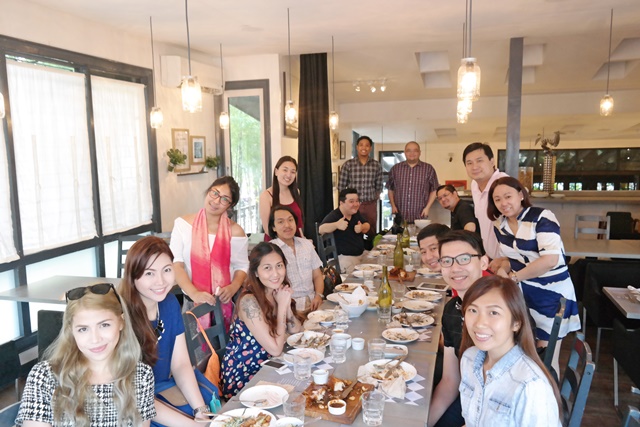
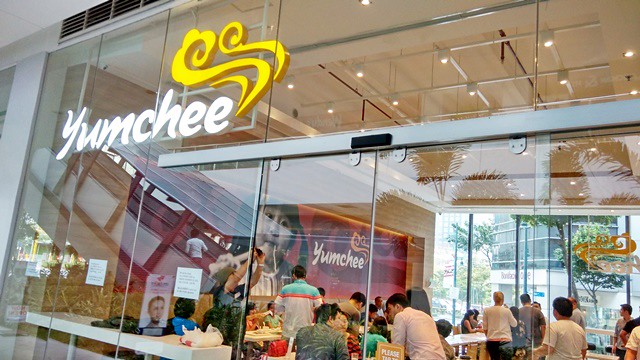
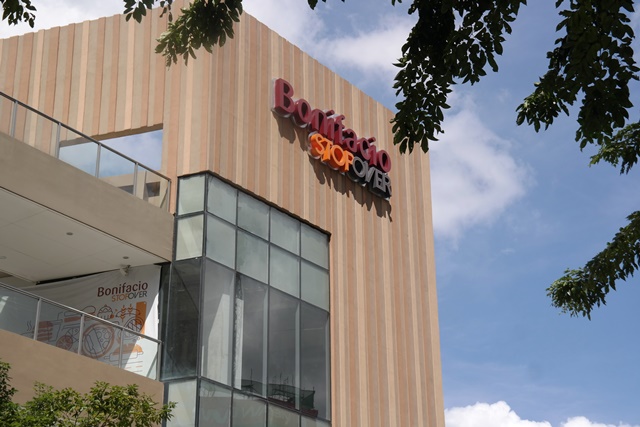
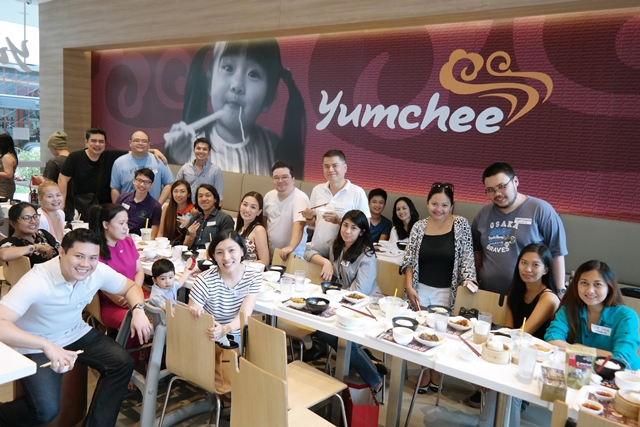
    Yumchee at BGC Stopover Pavilion is a newly opened premium fastfood restaurant that aims more toward serving traditional Chinese comfort food in a contemporary, hip setting. Chinese comfort food can be a dangerous game to play now with fierce competition in Metro Manila. So many places mess it up, and the catastrophes tend to be bigger than those at more straightforward restaurants. But I tell you, Yumchee does it incredibly well. This is where savory Chinese dimsum and congee sit nicely aside bowls of noodle soup and some delicious combinations of viands. I had lunch here with my KTG foodie friends two weeks ago. 🙂
    Review of Yumchee (BGC Stopover Pavilion, Bonifacio Global City)

    Ambiance: ★★★★☆

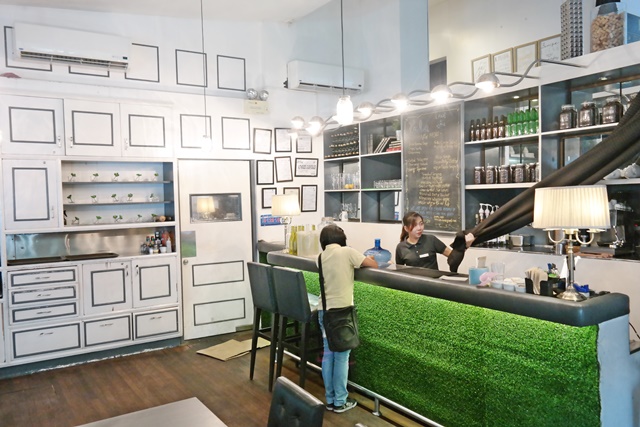
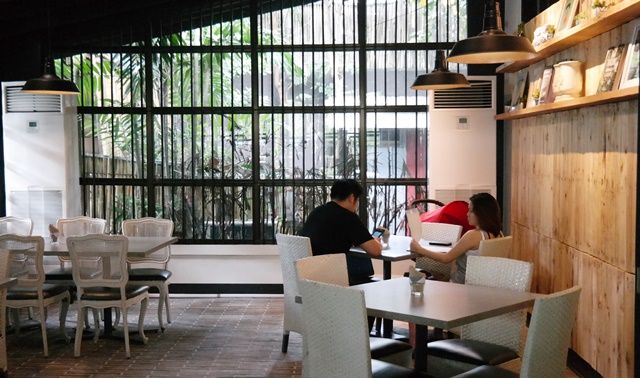
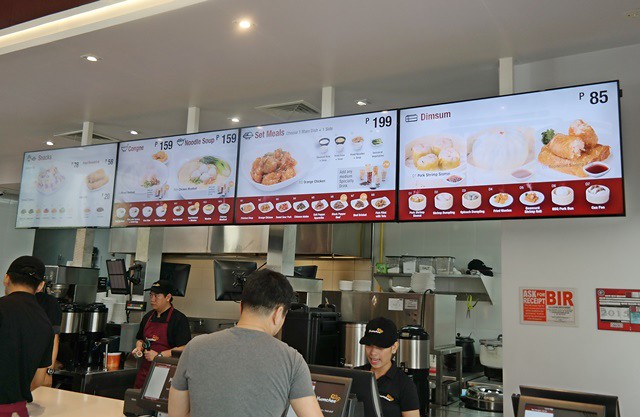
    Arriving at Yumchee felt very much like discovering a little-known gem. The setup is similar to regular casual fastfood joints where dining guests view the menu behind the counter to order and pay. What’s notably different though is that the menu is animated. 🙂 Photos of food are enhanced with hot steam smoke, an effect that makes dishes look more appetizing.
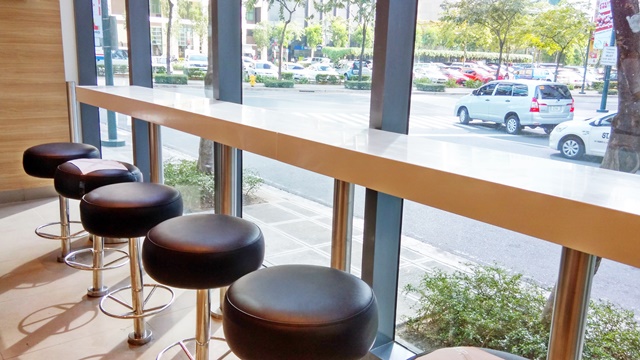
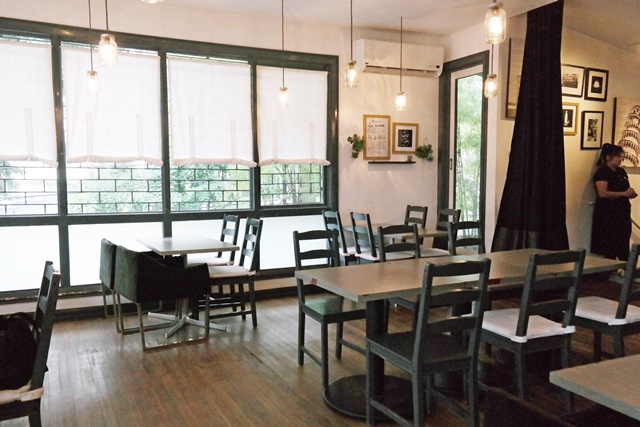
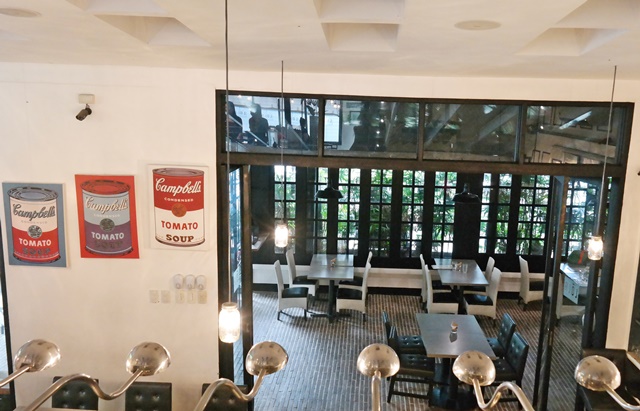
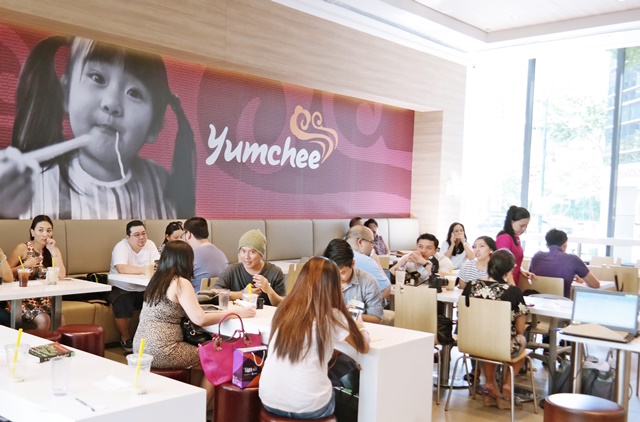
    Yumchee is outfitted with simple fixtures, comfortable furnishings, clean flooring, and bright lighting. It’s spacious enough to accommodate big groups. For business lunches, family dinners, or after-work meals, this is the place to be.
    Service: ★★★★★

    Everything was pleasant. Dishes came out fast as what you would normally anticipate from a fastfood or quick-service restaurant. We met the owners and they were very accommodating. Staffs were also attentive and helpful. I hope that this positive attitude will remain consistent even after their soft opening.

    Food: ★★★★★

    Dim Sum

    “Dim sum” is to the Chinese what tapas is to the Spanish. It’s all about small servings of different dishes representing a variety of great foods and tastes. We tried the following and thought they were absolutely well executed—a far cry from food stalls normally selling such a hearty delicacy in the busy parts of the city.

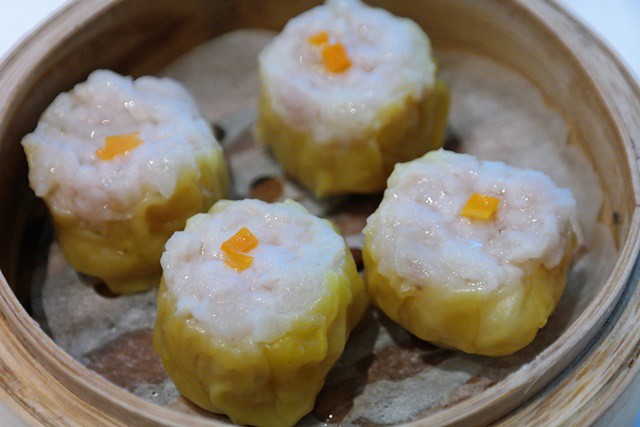
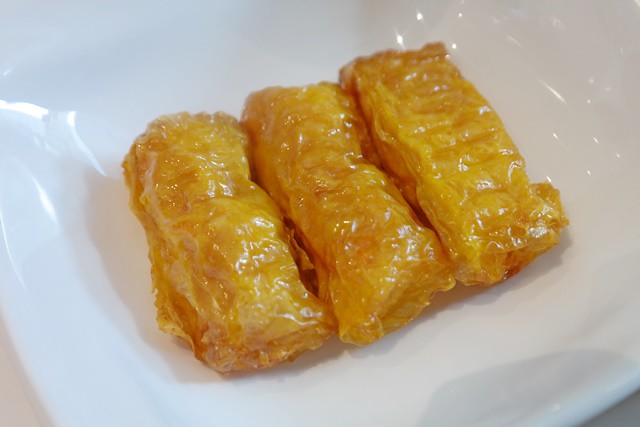
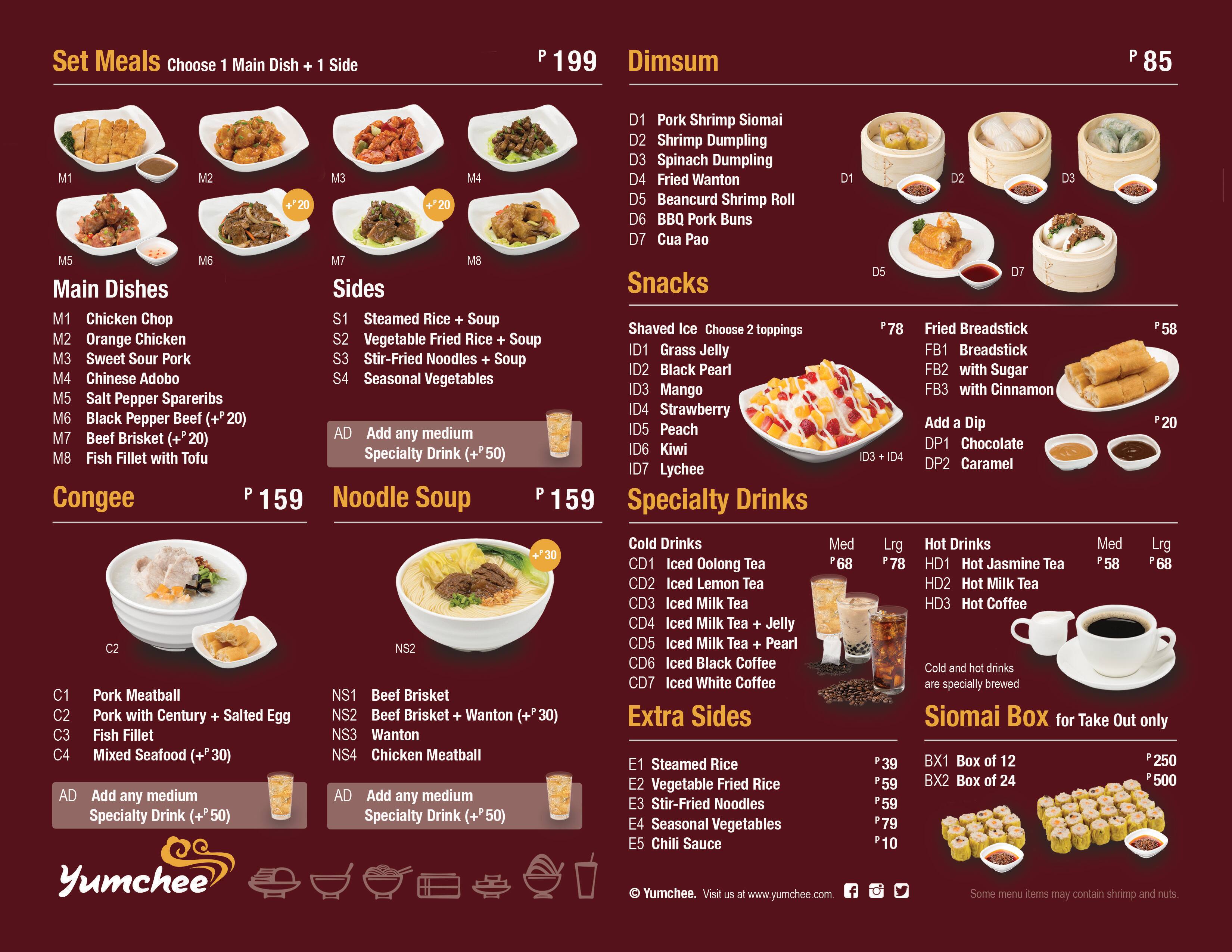
    The Pork Shrimp Siomai (PhP 85), the Beancurd Shrimp Roll (PhP 85), and the Shrimp Dumpling (PhP 85) were stuffed to the brim without overwhelming the wrapper. I guess it’s worth mentioning that the wrapper was moderately thick and not doughy. It was tender but with a bit of elastic chew. Translucency was made perfect, barely revealing what’s stuffed inside. The fillings were moist and packed with the true flavor.
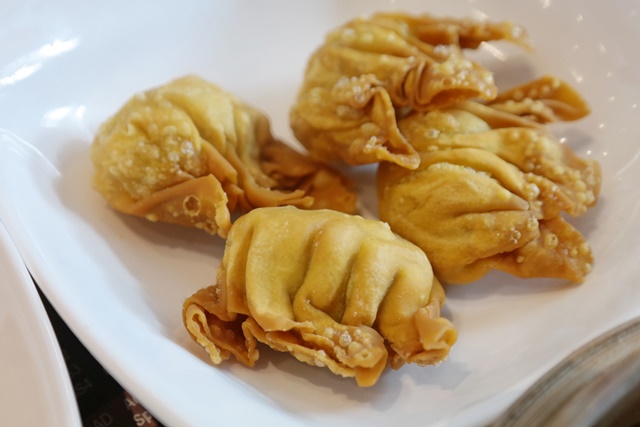
    Not skimpy on the meat filling as well, Fried Wanton (PhP 85) had a crisp crust and the sauce served with it was quite delicious. It could have been a deeper golden brown though, to add points for attraction.
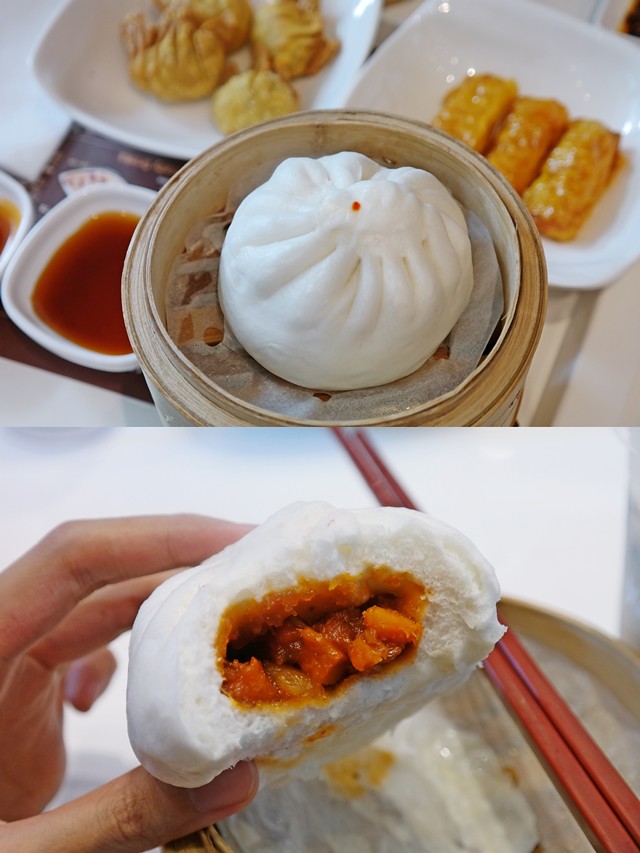
    Yumchee’s Asado Siopao or BBQ Pork Buns (PhP 85) had three defining components: the fluffy steamed bun, tenderness of the pork, and its aromatic asado flavor. When combined, it resulted to a messy, colorful, glorious snack of sweet delight, with multiple textures to boot. It’s one of the dim sum you can order and eat while on-the-go.
    Noodle Soup
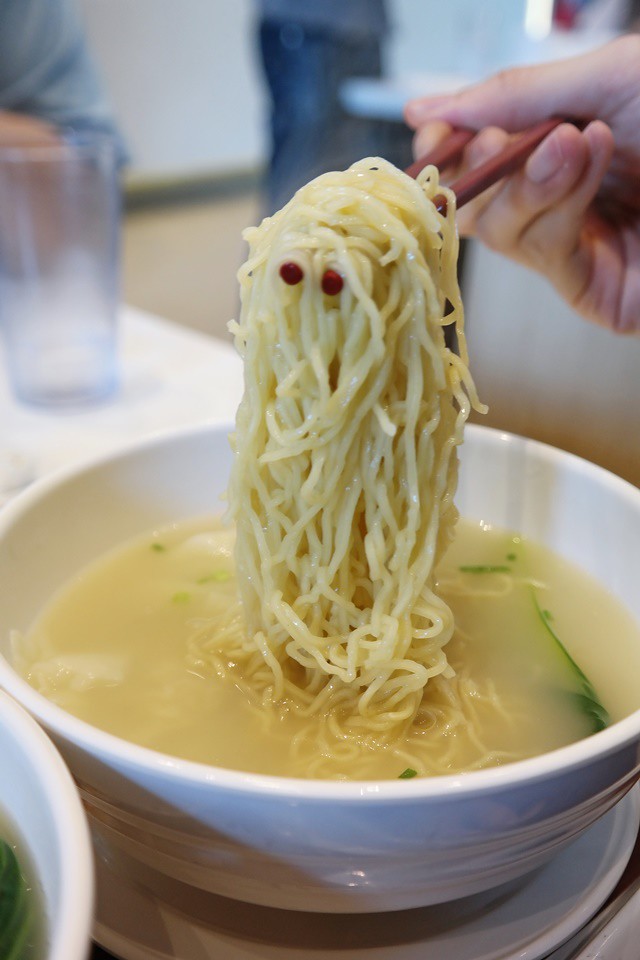
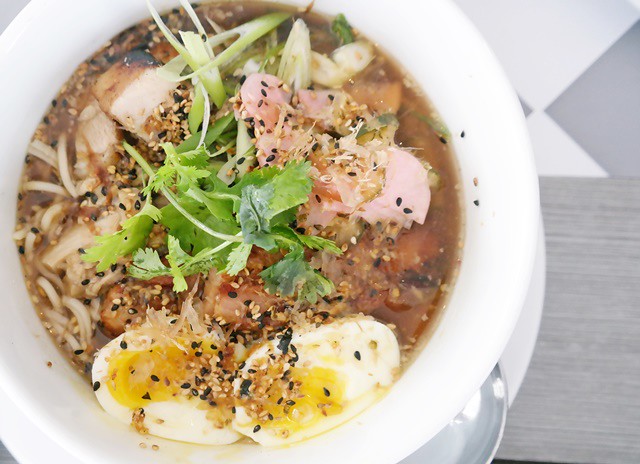
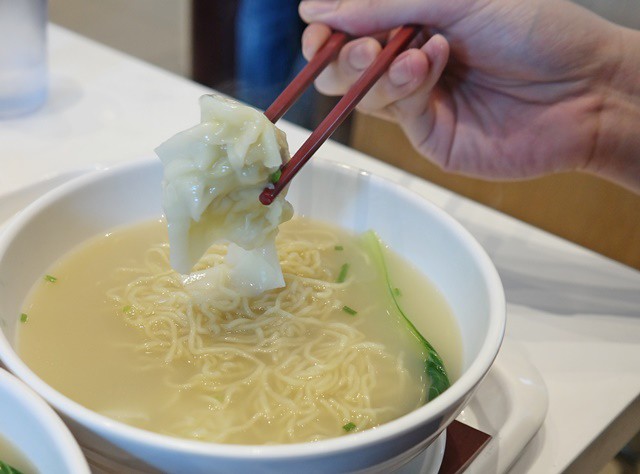
    Clean and thin in texture, the Wanton Noodle Soup (PhP 159) in itself was a filling meal with delicate flavors and a soul-satisfying warmth. Bouncy pork was the star. Overall, this entree tasted okay but not at par with the wanton soup of my youth, the one that originally made me fall in love with the salty, slippery comforting soup dish. I thought the difference lies in the broth. It’s a worthy dish to try at Yumchee nonetheless.
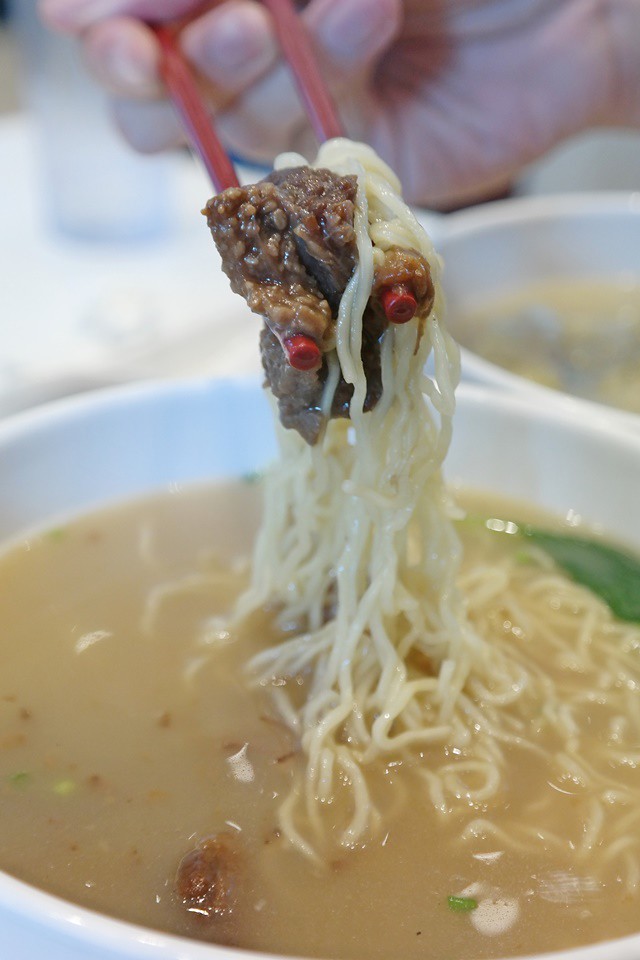
    Two times better than the Wanton Noodle Soup, the Beef Brisket Noodle Soup (PhP 159) had sizable portions of juicy and tender beef brisket that lent body and flavor to the broth for the most part. The soup tasted like it was made with care in a real kitchen using real ingredients. This version was good enough as it did not come out strong on MSG. Would I want to hunker down on a cold night with only this bowl to keep me company? Probably yes, when I’m in BGC. 🙂
    Congee
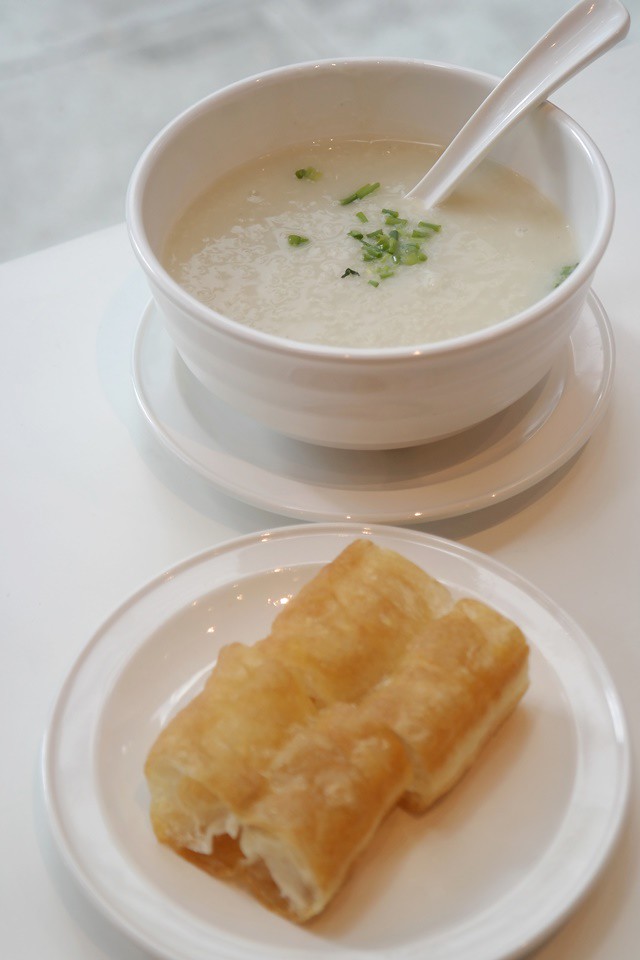
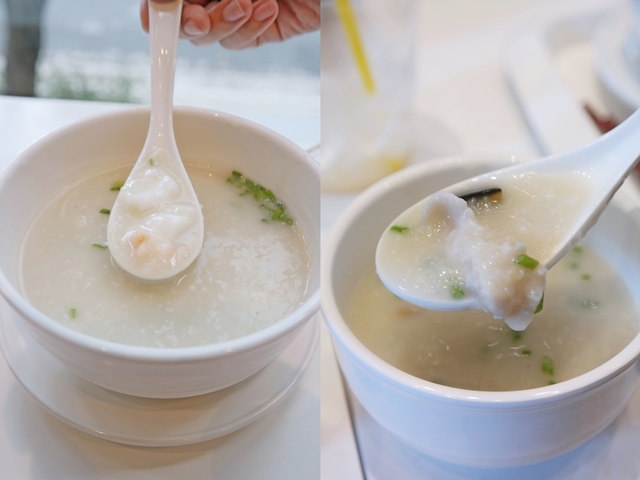
    Congee or Chinese porridge is a staple in our home. The right water to rice ratio is the key to cooking it perfectly, and both Yumchee’s Pork with Century + Salted Egg Congee (PhP 159) and Mixed Seafood Congee (PhP 189) were able to pass our taste test. They’re silky and comforting while not being sludgy or overly heavy. The grains of rice were soft and thoroughly blended together. Yummy!

    Set Meals

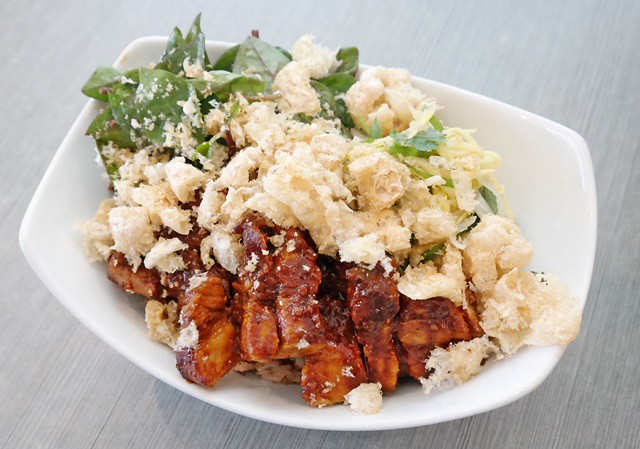
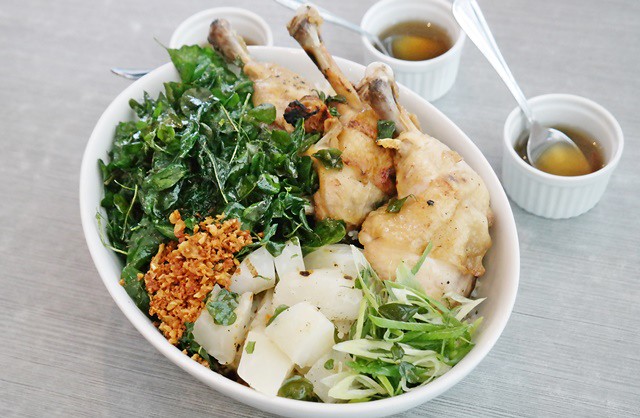
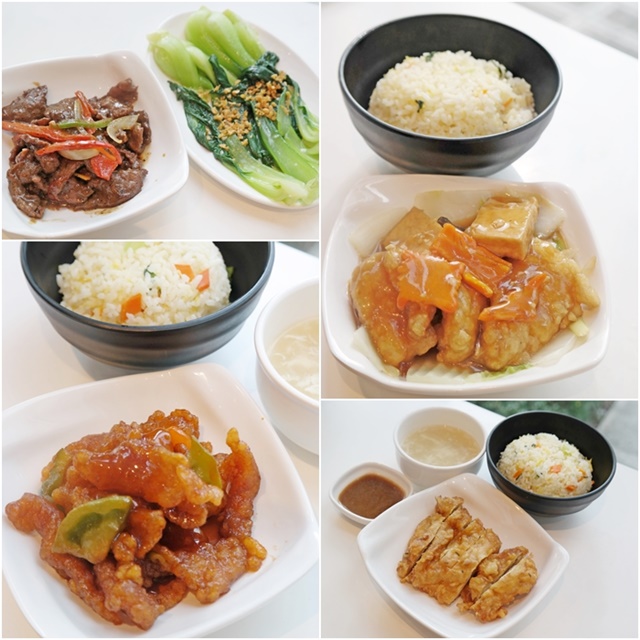
    Set meals at Yumchee consist of one main dish, one side dish, and rice or soup. Options are as follows: Steamed Rice + Soup, Vegetable Fried Rice + Soup, Stir-fried Noodles + Soup, Seasonal Vegetables. I highly recommend the Chicken Chop (PhP 199) which reminded me of Taiwan’s crispy chicken chops, Orange Chicken (PhP 199) for its sweet orange-y kick, Beef Brisket (PhP 219) for the well-marbled meat, and the Fish Fillet with Tofu (PhP 199) which was presented in a mild sauce with melt-in-your-mouth soft fish fillet and tofu.
    Drinks and Desserts

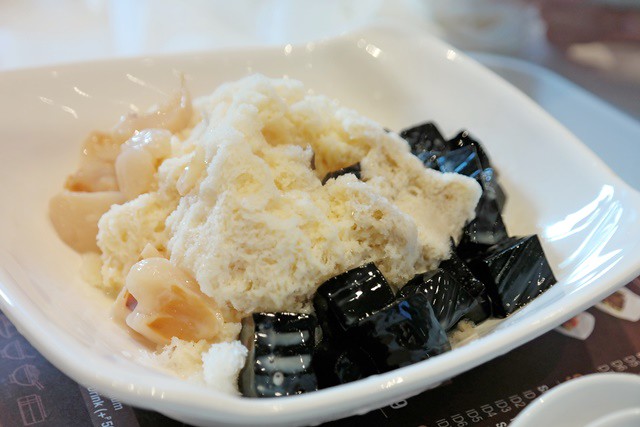
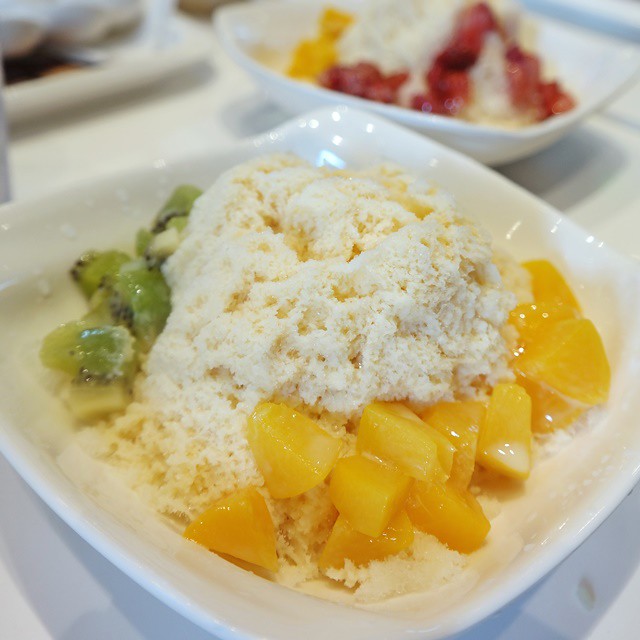
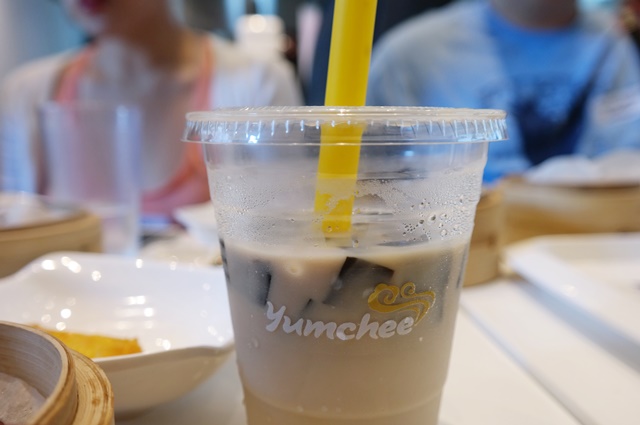
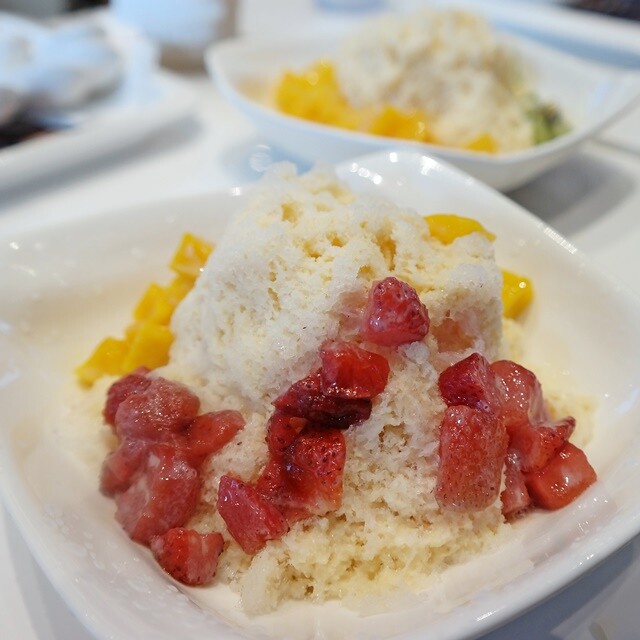
    Drinks and desserts served were wickedly refreshing. I had the Iced Milk Tea (PhP 68) and was successfully satisfied. It was smooth, creamy, and fragrant. 🙂 Shaved ice with fruits (PhP 78 each) were awesome thirst-quenching concoctions with condensed milk. The combination of fruit selections kept every bite an interesting one. (Note: You get to pick two toppings for each order.) In the hot and sticky heat in the Philippines, a bowl of Shaved Ice will hydrate and cool you down fast.
    Price for Value: ★★★★☆

    I have to admit, I entered Yumchee with low expectation and some trepidation. I grew up and still live in Chinatown, so pretty much, tasty and authentic Chinese food is easily accessible both in restaurants nearby and at home.

    Biting into our first dim sum at Yumchee, I wondered then, could this possibly be any good? The answer is yes!  Prices are no way on the steep side and their menu is solid, too—better than most Chinese fastfood joints away from Binondo. 🙂

    Yumchee Menu
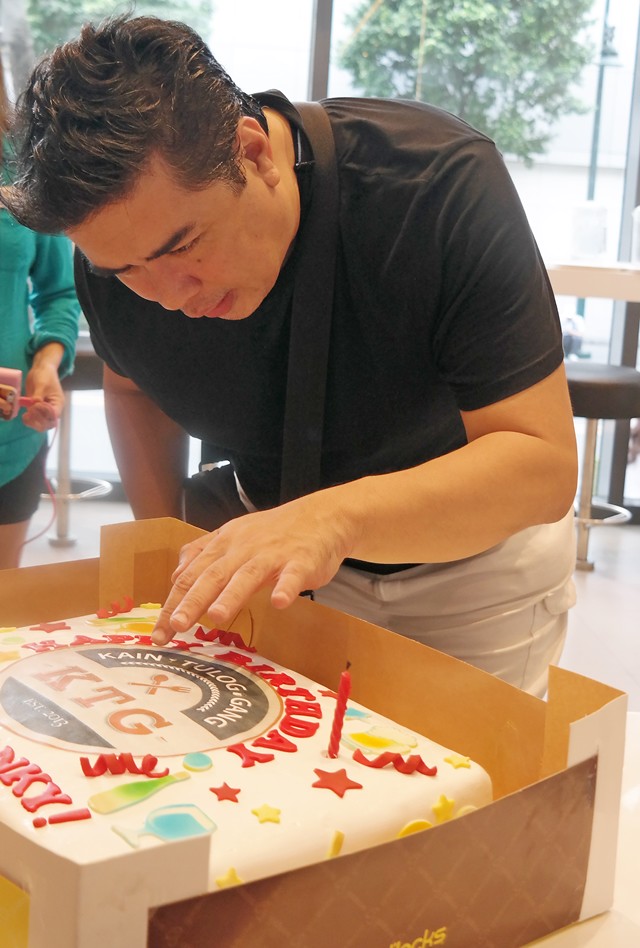
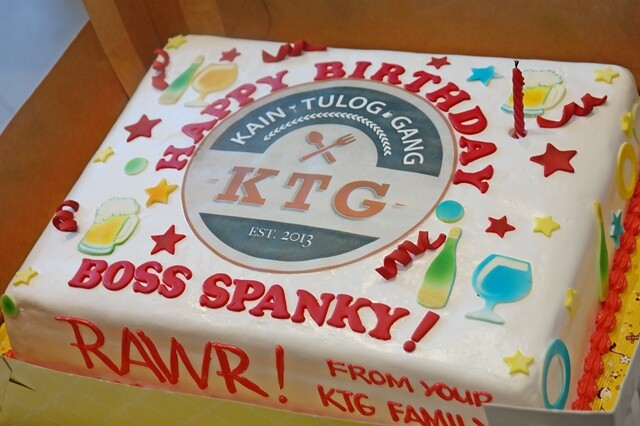
    On the same venue, we also got to greet Boss Spanky a happy birthday since he had just celebrated his birthday a few days ago. The birthday cake with The Kain Tulog Gang’s logo was made by Goldilocks. The cake’s print design looked really adorable and it’s incredibly edible! 🙂
    [schema type=”review” url=”https://www.facebook.com/pages/Yumchee/848347238595929″ name=”Yumchee” description=”G/F Bonifactio Stopover, 31st St., cor Rizal Drive, BGC, Metro Manila” rev_name=”For inquiries, call +63917 7172821″ author=”Rochkirstin Santos” pubdate=”2015-12-05″ user_review=”18″ min_review=”0″ max_review=”20″ ]

    Operating hours: 10:30am-10pm

  • TOMS Give Fair 2015 at The Foundry (Westgate Center, Alabang)

    TOMS Give Fair 2015 at The Foundry (Westgate Center, Alabang)

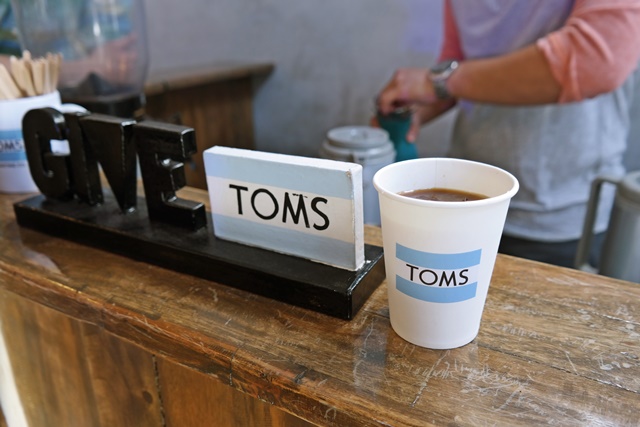
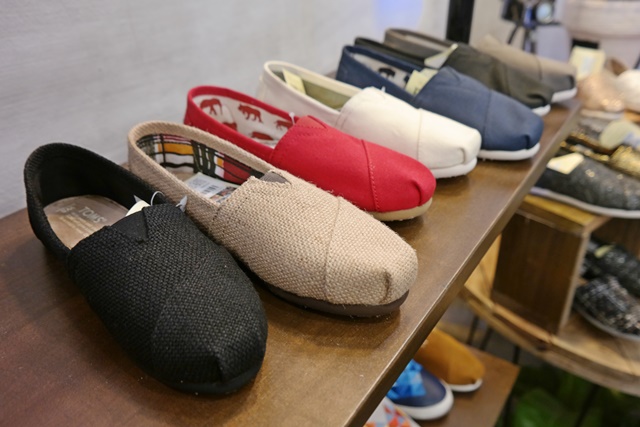
    One person buys, and one person is helped. This idea has turned into a global movement, and this is how TOMS works today. TOMS sells casual and stylish shoes, bags, eyewear, and soon, coffee with the vision of helping people around the globe and preserving our precious planet.

    The “One for One” model started with a man named Blake Mycoskie who traveled to Argentina in 2006 and saw the hardships faced by children growing up without shoes. His solution to the problem was simple yet revolutionary. TOMS was established as a for-profit business that’s sustainable and not reliant on donations. To date, TOMS has donated over 35 million pairs of shoes to children in need in 70 countries. Its retail stores in the Philippines are present in TOMS Store (SM Megamall), Nothing But H2O, The Give Project, Adora, Rustan’s, and Shoe Salon.

    Corporate Responsibility: The “One for One” Model

    When you buy a pair of TOMS shoes, you help improve the health, education, and well-being of a child. TOMS partners with humanitarian organizations or their so-called “giving partners” to support them with shoes.
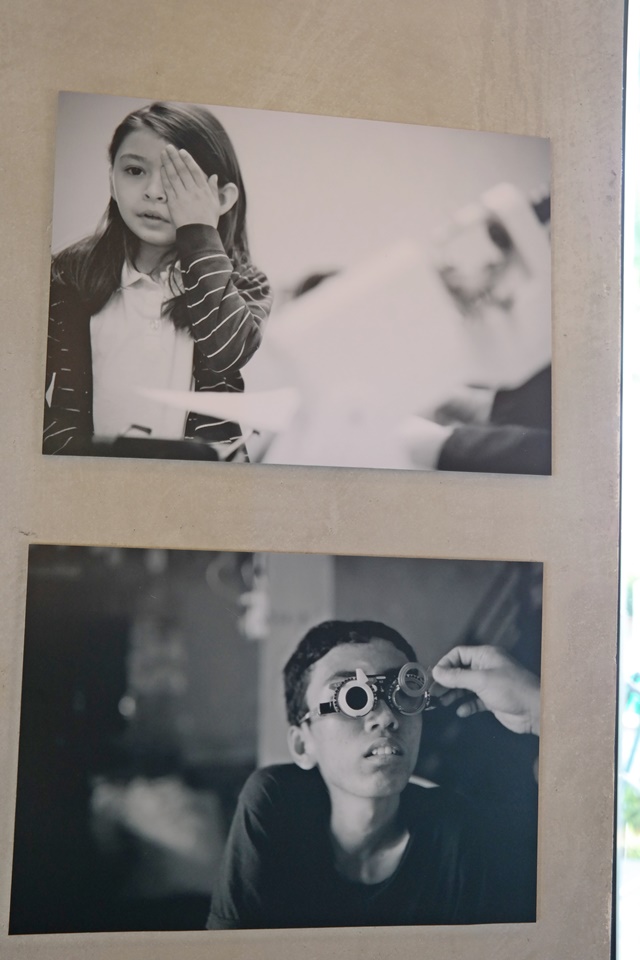
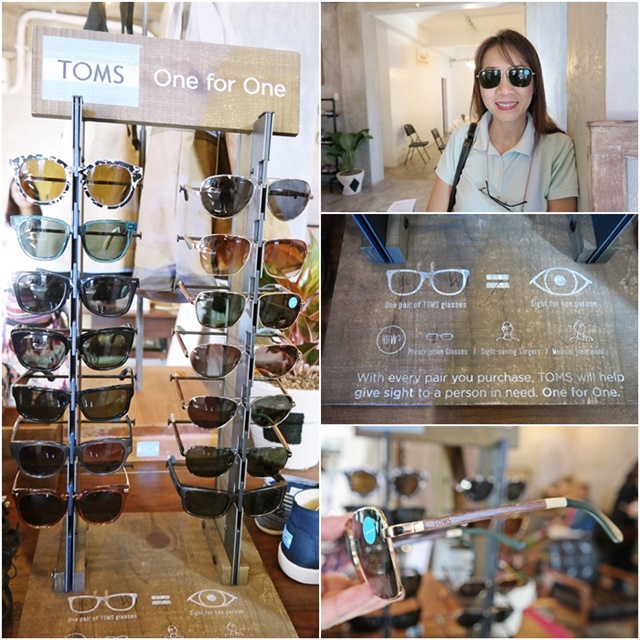
    When you buy a pair of TOMS glasses, you help restore sigh through prescription glasses, medical treatment, and sight-saving surgeries of individuals who are blind or visually impaired.

    When you buy a TOMS bag, you help provide training for skilled birth attendants and distribute birth kits containing items that aid women safely in delivering babies.

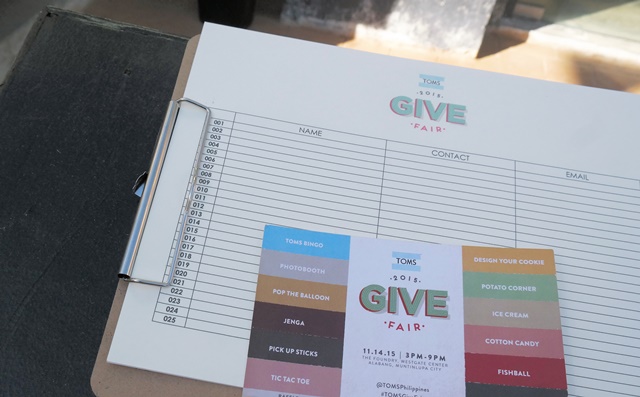
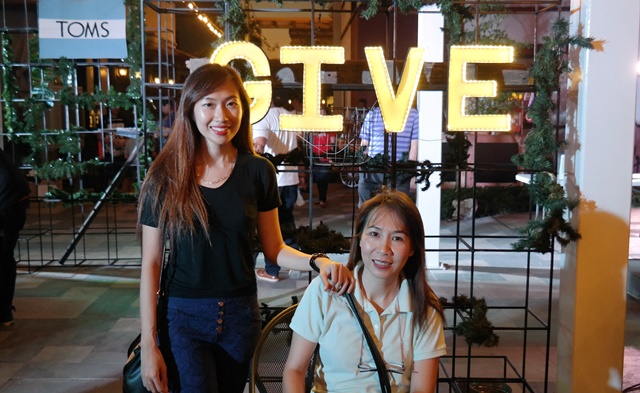
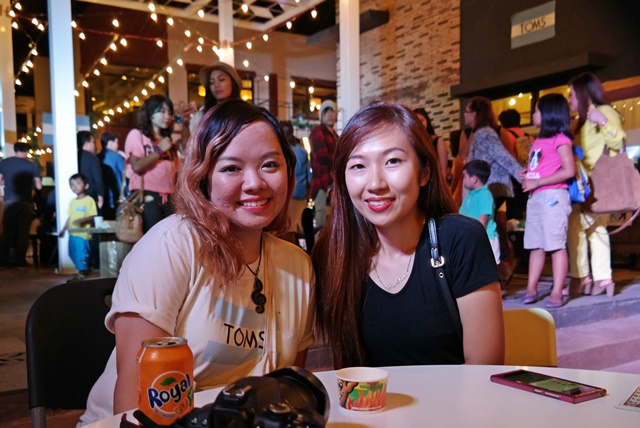
    In this season of gift giving, TOMS held the Give Fair last November 14, 2015, Saturday, at The Foundry in Westgate Center, Alabang. I was invited to the event and I tagged my mom along so we could both learn more about TOMS and experience something fun.

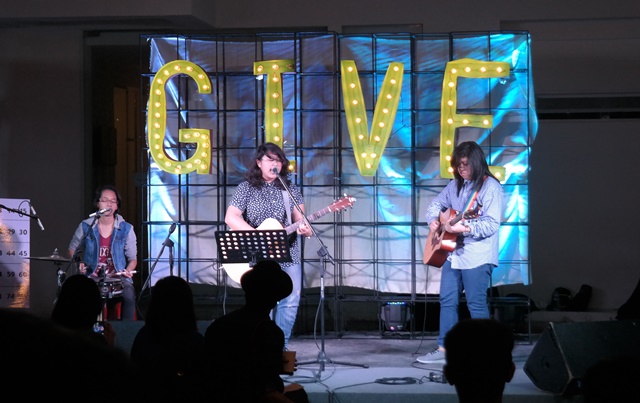
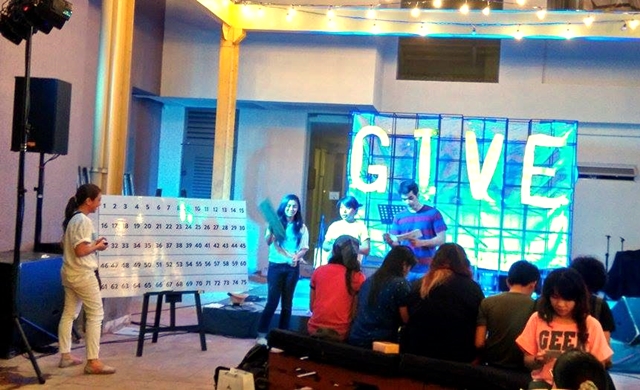
    This annual holiday event aimed to share the joy of giving to people of all ages, especially children. There may be plenty of gifts out there that children can get excited about, but a whole day filled with games, food, craft giveaways, and musical performances by Keiko Necesario, Clara Benin, and Rizza Cabrera must surely be well appreciated. TOMS Team offered up some good cheer, and families were given the chance to bond together. 🙂

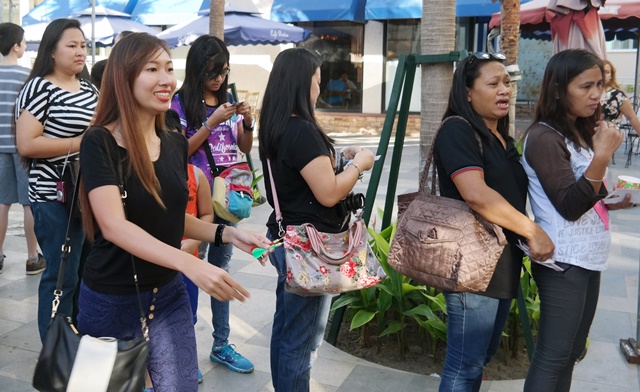
    Registration

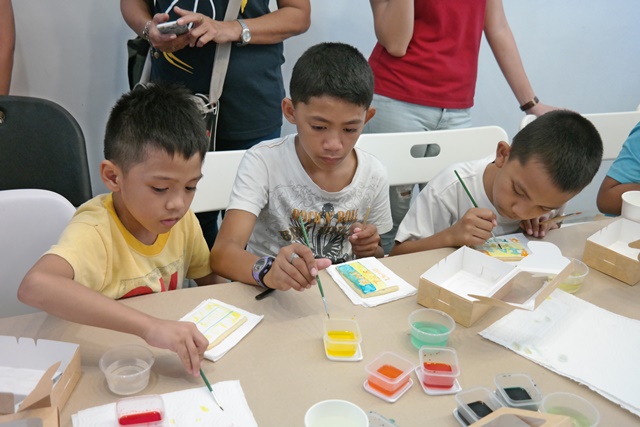
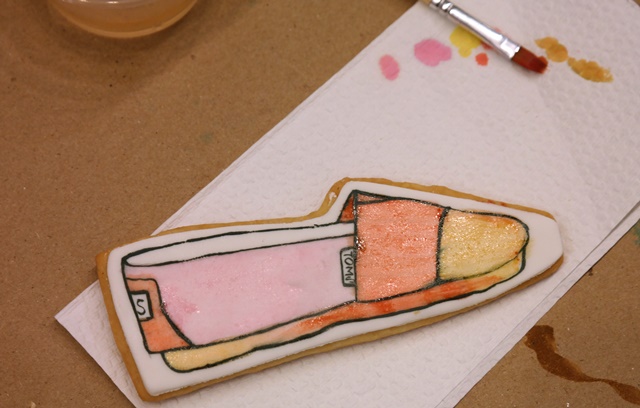
    Design Your Cookie

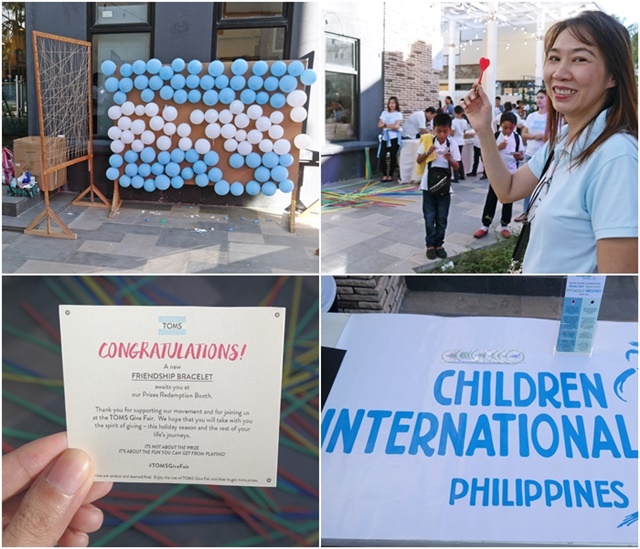
    Balloon Pop

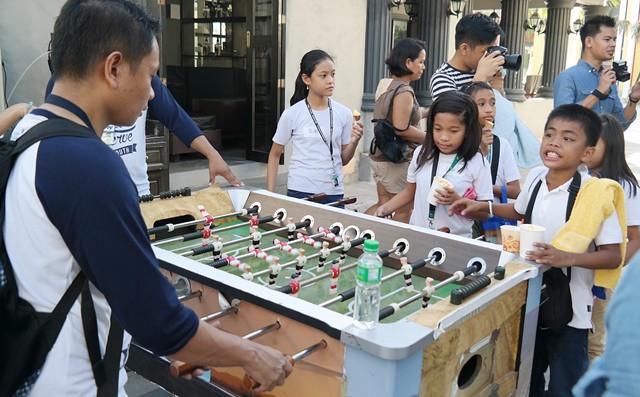
    Foosball

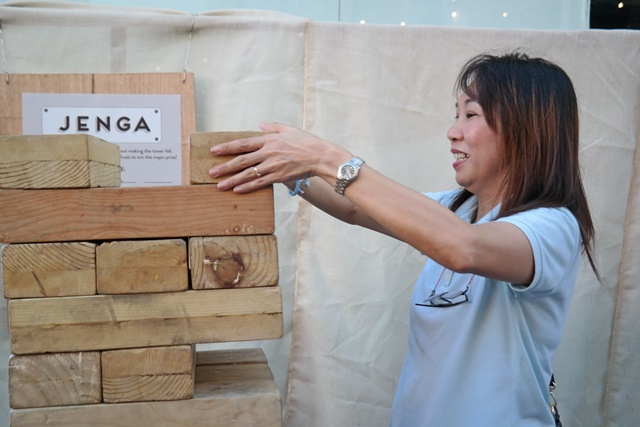
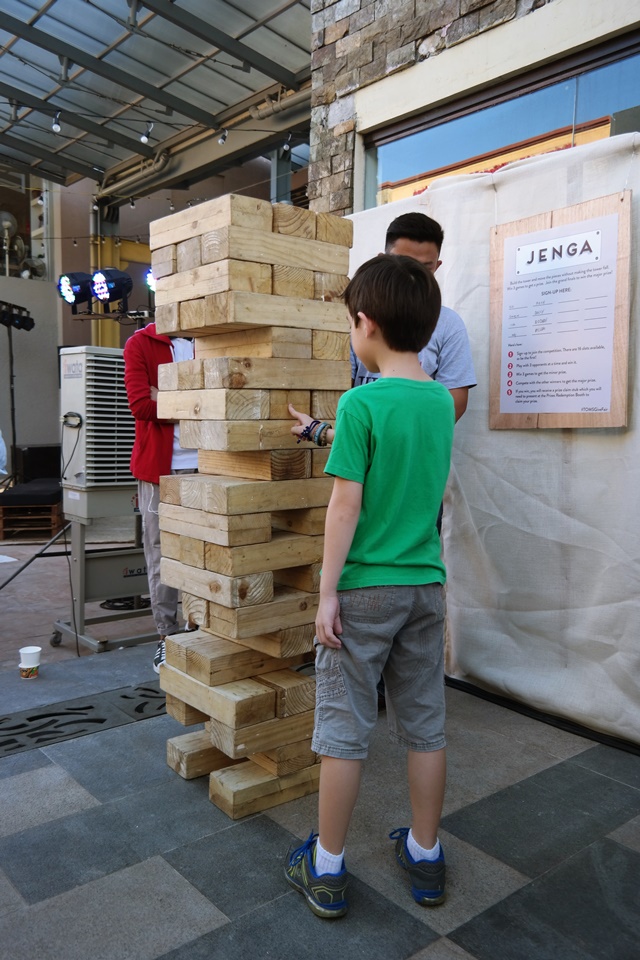
    Jenga

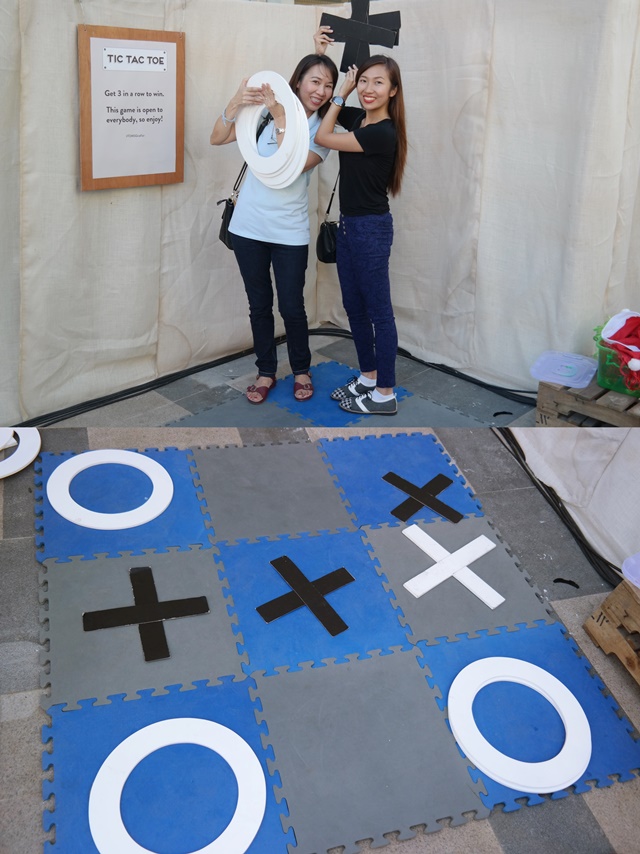
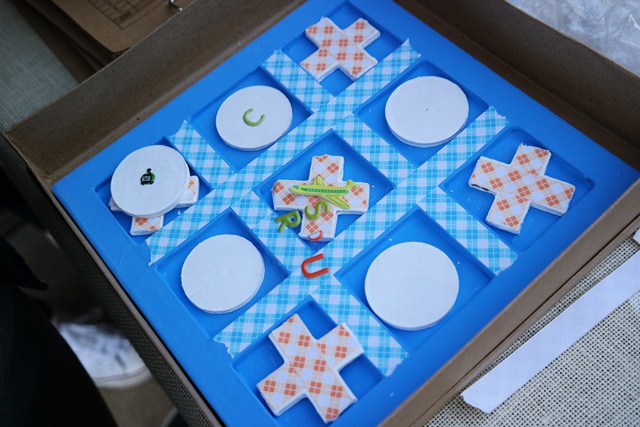
    Tic Tac Toe

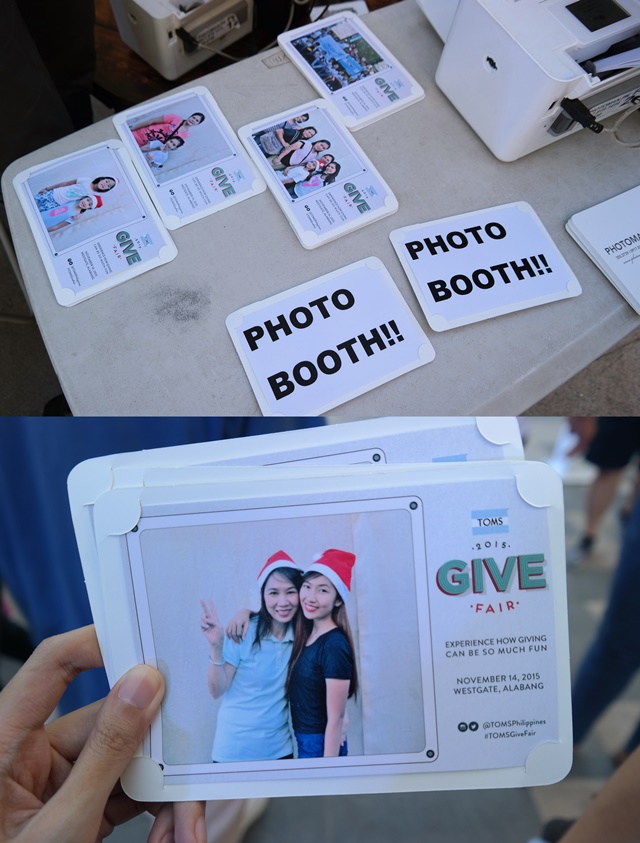
    Photo Booth

    Crafts Giveaway for Kids

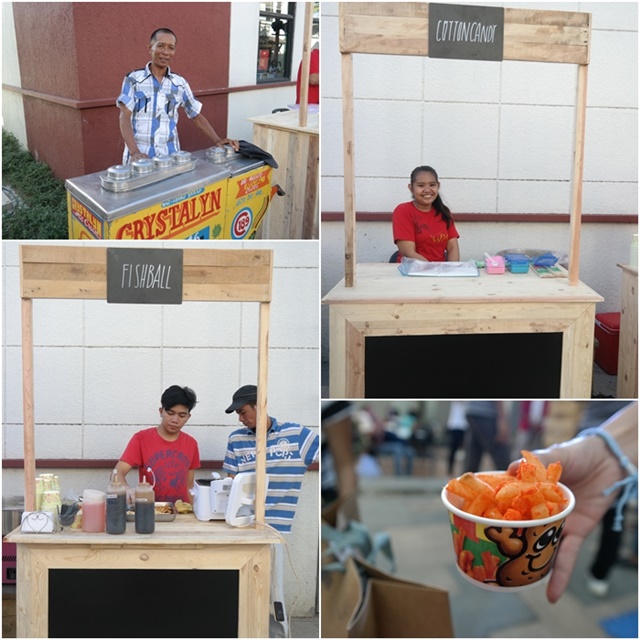
    Food Stalls

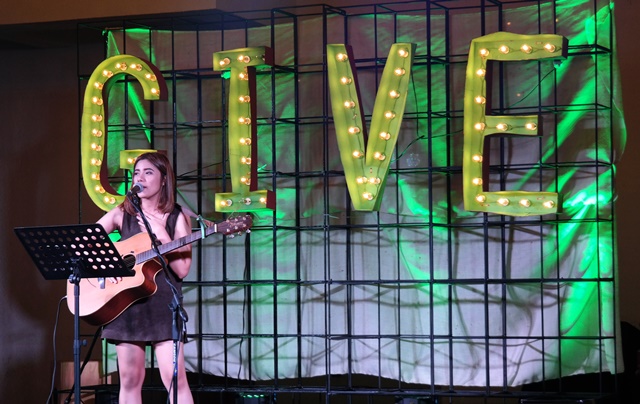
    Live Performances

    TOMS Bingo

    Wrap Up

    Across the world, thousands of children need shoes to go to school, thousands of people need eyesight restoration, and thousands of people are in need to water, but unfortunately, not all people living in the planet have access to these resources. While there’s no single solution to address these problems, TOMS founders and employees take the stand to define strategies and interventions to provide help in the best way they know how.

    The good thing is that TOMS’ global movement involves everyone, from businesses to individuals, to make progress in the target impoverished communities and multiply the warm buzz of giving. I’m grateful for the opportunity this year to celebrate giving in TOMS Give Fair. Thanks, Aubrey, for the invite! 🙂

    I got my own pair of TOMS classic black canvas shoes. Yay! With this, I’ve become part of a movement that believes that we can change the world with our choices. 🙂 Visit their website to know more about their story.

  • Review of Neil’s Kitchen (Westgate Center, Alabang)

    Review of Neil’s Kitchen (Westgate Center, Alabang)

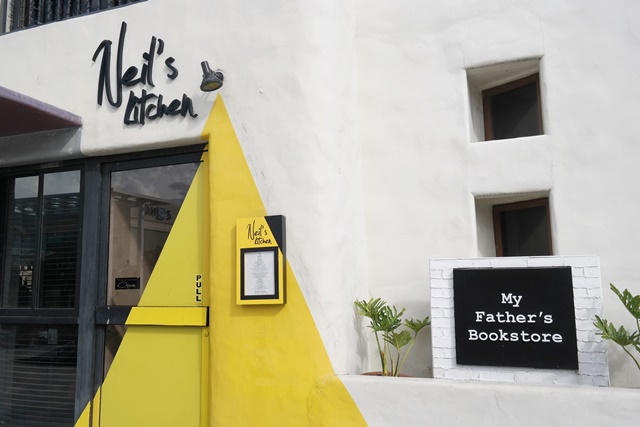
    I was invited to attend and cover TOMS Give Fair in Alabang last Saturday, and since the event was scheduled in the afternoon, I thought it was a nice opportunity to have lunch nearby: at Neil’s Kitchen. 🙂 I’ve read lots of positive reviews about this place, and most agree you get your money’s worth. Thankfully, high expectations were met! This is a cool spot where there’s no loud music and no flashing lights but rather a peaceful, perfectly executed dining setup. Neil’s Kitchen is one of the most talked about restaurants in Westgate Center, and there’s no wonder that it’s a top choice when it comes to Filipino food in Alabang.

    Review of Neil’s Kitchen (Westgate Center, Alabang)

    Ambiance: ★★★★☆

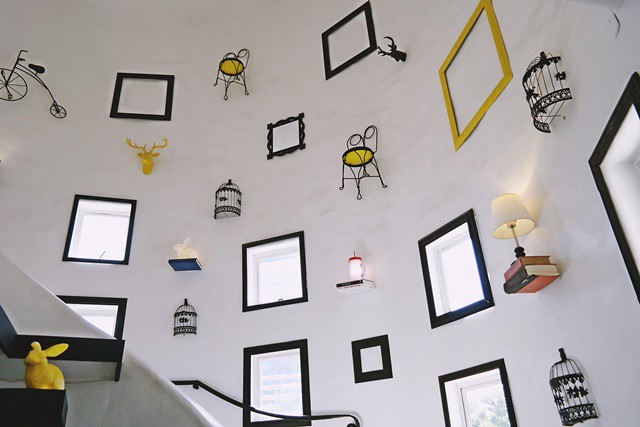
    Often in other places, decorations on staircases get overlooked, and what a pity–they’re one of the most high-traffic areas where people go up and down. Neil’s Kitchen’s interior designer must be wise to have made good use of this space. A gallery of 3D decorations along the staircase wall can instantly draw in the eye. They were the first to get my attention, and these were quickly followed by the mason-jars lighting fixtures hanging down from the white ceiling. Love them all! 🙂

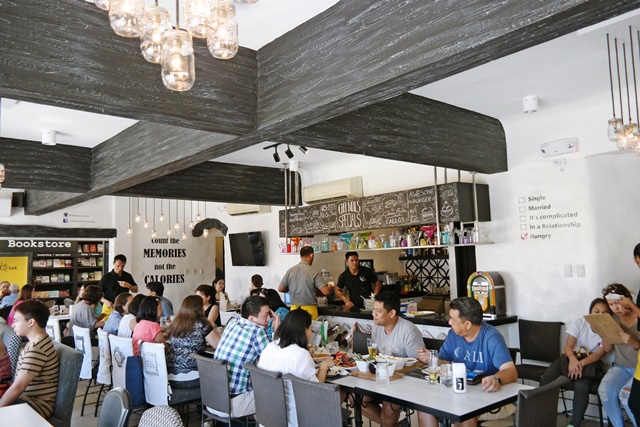
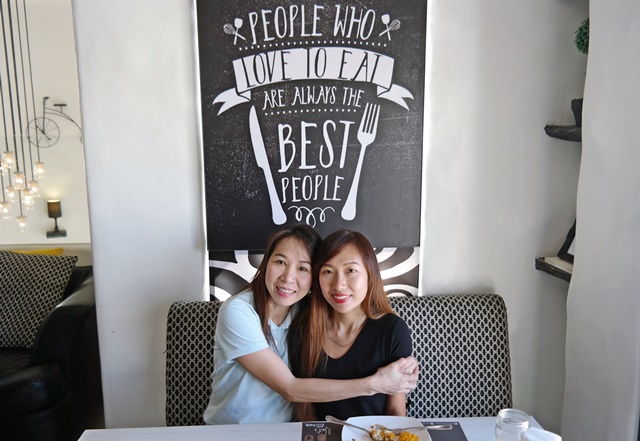
    Adding to the wow factor and making the restaurant look more interesting are the memorable quotes that tell so much about the nature of foodies. “Count the memories and not the calories,” the tick mark on the Hungry check box, and “People who love to eat are always the best people” are fine examples.

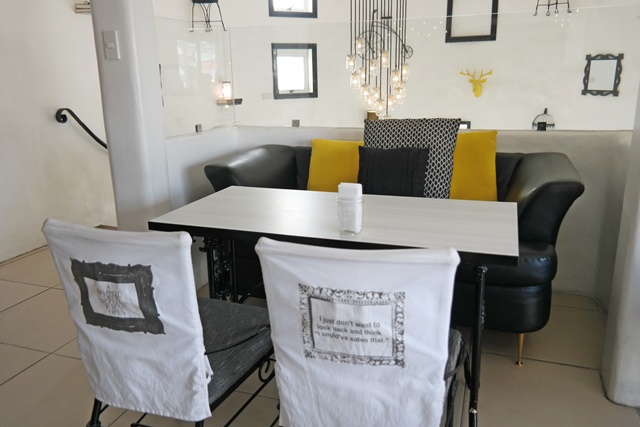
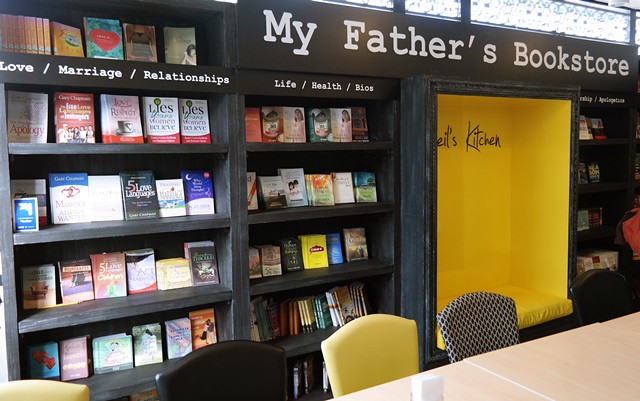
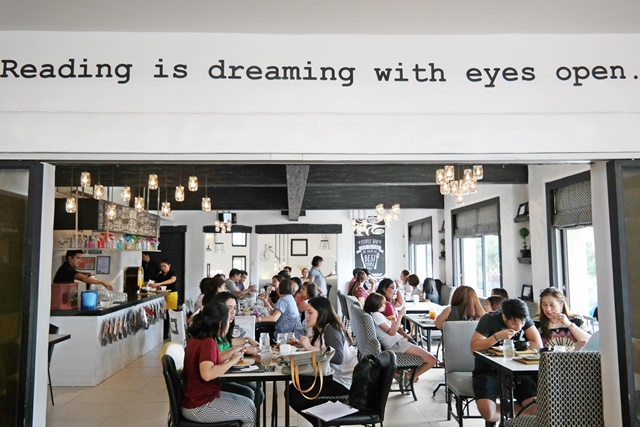
    The black and white theme is a popular choice for eating areas, and Neil’s Kitchen mixes it with yellow for a good pop of color. Seating is a bit tight with tables and chairs packed in at maximum density. However, bright ambiance and clean lines still make it a go-to venue for everything from big family lunches, reunions, business meals, to special occasions you won’t forget. There’s also a bookstore at the back where you can find inspiring book titles that can help live your best life.

    Service: ★★★★★

    Neil’s Kitchen’s staff showcased flawless service and they were so accommodating we felt that anything was possible. Staff here gave a good example of Filipino hospitality. In an industry where most restaurants face the challenge of manpower crunch, it is a blessing indeed. I give two thumbs up for friendliness, attentiveness, and efficiency of customer service.

    Food: ★★★★★

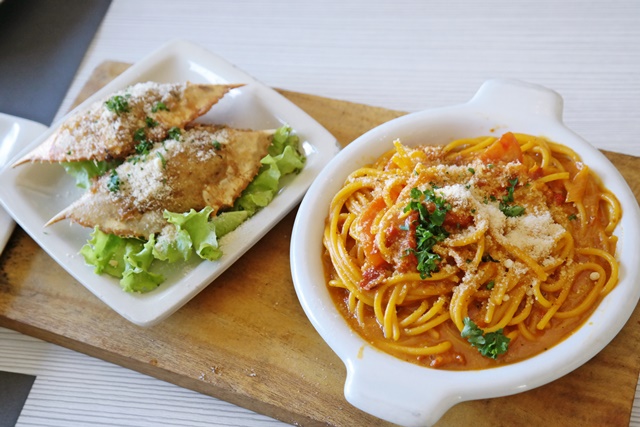
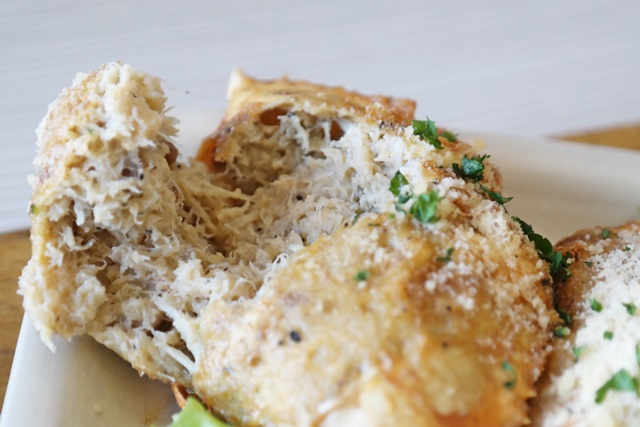
    Crab cakes are always a wonderful treat, and Neil Kitchen’s Crab Cake Torta with Aligue Pasta (PhP 495) did not disappoint. The crab cake torta had that delicious and slightly sweet aroma of the ocean and a tenderness that lobsters only aspire to. I love that we did not have to poke through our utensils or eat the crab with our hands. In cake form, the jumbo lump crab meat had a somewhat crisp exterior and inside, there was no extra starchy binders at all.

    Complementing well to the taste of the crab meat, the Aligue Pasta was flavorful and fantastic. Aligue is the crab’s roe so you can just imagine how “sinful” this pasta is. But like what the quote said, don’t mind the calories but the memories. Whisper that a few times and any guilt will dissipate on your first bite. 😛


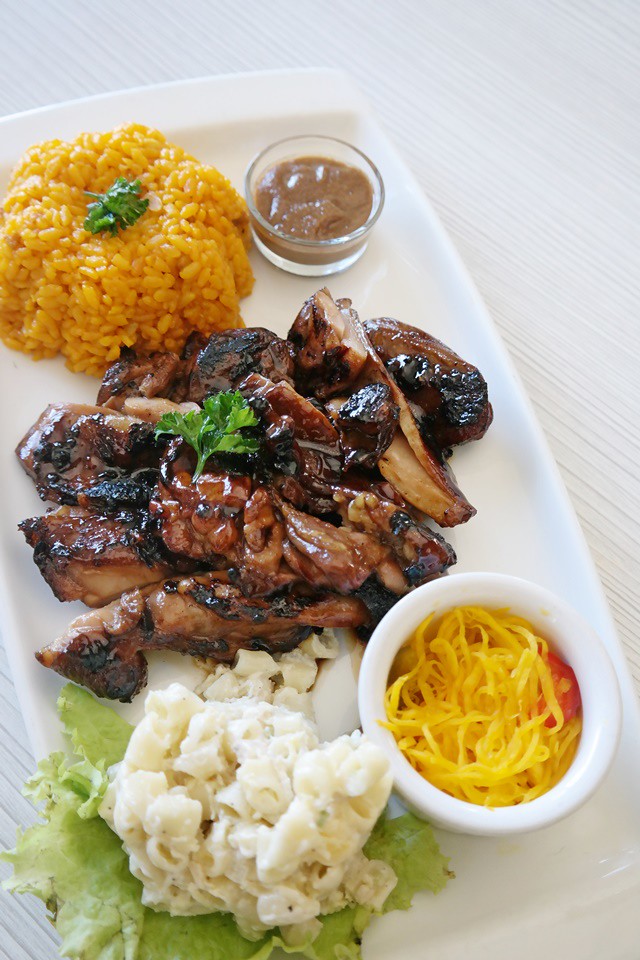
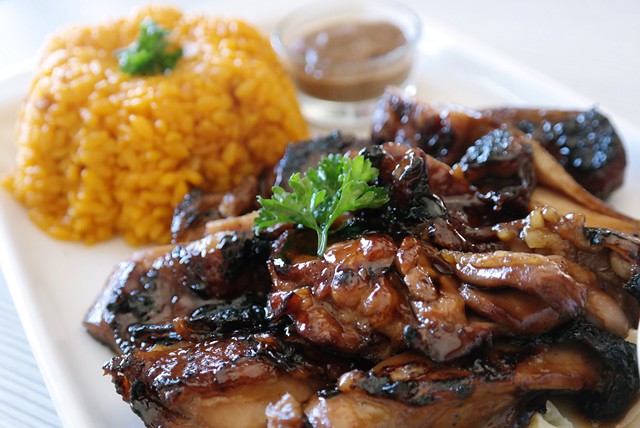
    While deciding what to order, my mom looked at the table next to us and saw the Boneless Chicken Barbecue with Java Rice (PhP 395). The plating looked appetizing for sure and the macaroni salad on the side made it even more tempting. I thought there was nothing special about the chicken barbecue, but I was wrong. It was one of the best versions I’ve ever tried! The smoky barbecue chicken was cut in bite-size portions. It had perfectly juicy and moist meat and a sweet, sticky glaze. The nutty sauce did not seem to be a critical component to enhance the flavor, as the sweet-and-tangy chicken was richly seasoned. Tart atchara (pickled papaya) came in as a good accompaniment to the dish.

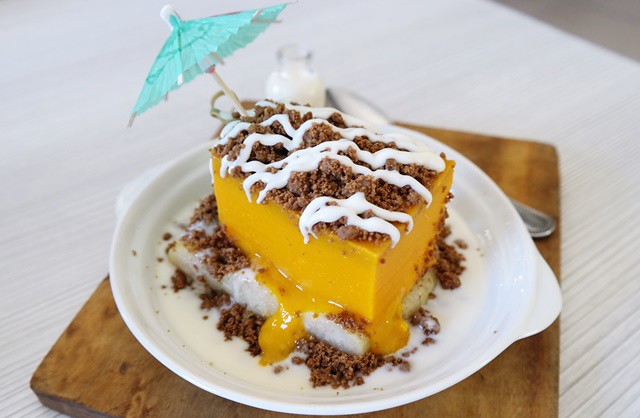
    Ending our indulgent meal, the signature dessert at the restaurant, Fried Suman, Mangga, and Chocnut (PhP 295), was pretty glorious. It was a very tropical dessert that was elegantly plated and not overly sweet, so you can be sure that it will not satiate your appetite.

    Price for Value: ★★★★☆

    Neil’s Kitchen in Alabang is quite a buzzy gem that earns raves for its excellent renditions of Filipino food. Price for value is fair. With chic ambiance and charming service without pretentiousness, it’s a restaurant that should be noted in everyone’s short list.

    [schema type=”review” url=”https://www.facebook.com/neilskitchen.bonellis/” name=”Neil’s Kitchen” description=”Lot C 701 and 704 Westgate Filinvest, 1770 Alabang Muntinlupa City” rev_name=”For inquiries, call 7108962 / 7711334 / 09173112916 or email neils.kitchen@yahoo.com” author=”Rochkirstin Santos” pubdate=”2015-11-21″ user_review=”18″ min_review=”0″ max_review=”20″ ]

  • Top 10 Tourist Attractions We Visited in Siem Reap, Cambodia

    Top 10 Tourist Attractions We Visited in Siem Reap, Cambodia

    From learning about Cambodia’s bitter past in Phnom Penh, we took another six-hour mini van ride (Golden Bayon) to Siem Reap. With our photography gears, light backpack, and comfy rubber shoes on, we felt extremely ready to traverse the Angkor Archaeological Park complex, take pictures of the temple ruins, and visit other famous landmarks in Siem Reap in three days.

    It was the third and last city we visited, and it was my personal favorite. Throughout the trip, I was most excited to see the splendor of Angkor Wat, and the reason was obvious: “Angkor Wat is one of the largest monuments to religion ever built and is one the wonders of the world.” It’s really a place like no other. 🙂

    Here are the top sites we visited in Siem Reap following the itinerary arranged once again by our trusted travel agent, Transpipol Travel & Tours.

    Top 10 Tourist Attractions We Visited in Siem Reap, Cambodia

    1. Artisans d’Angkor

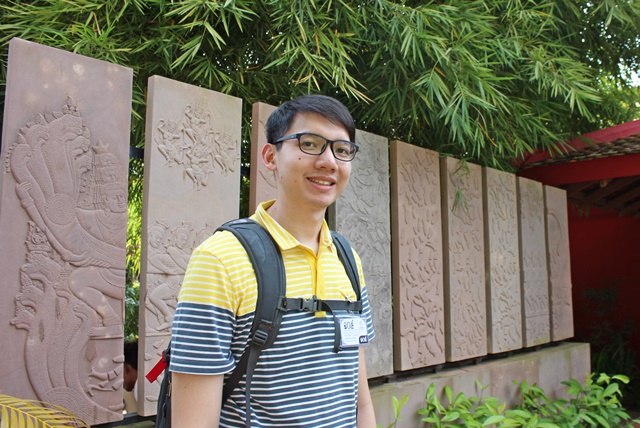
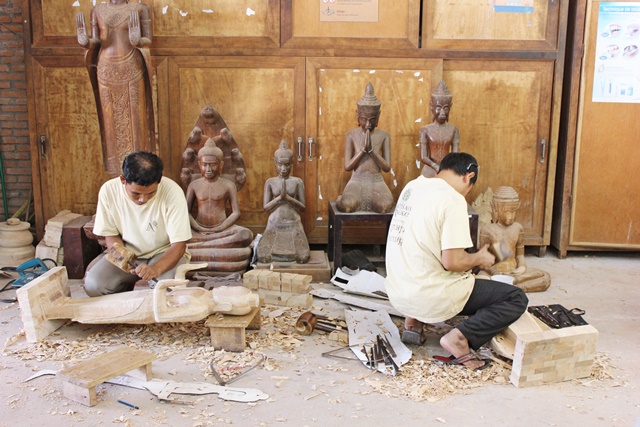
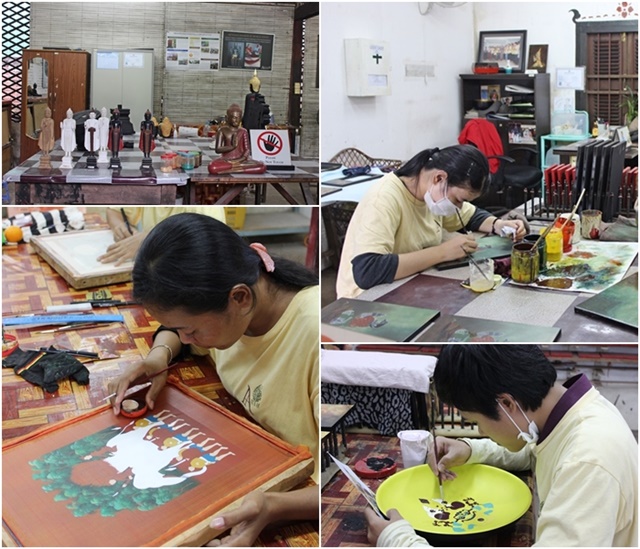
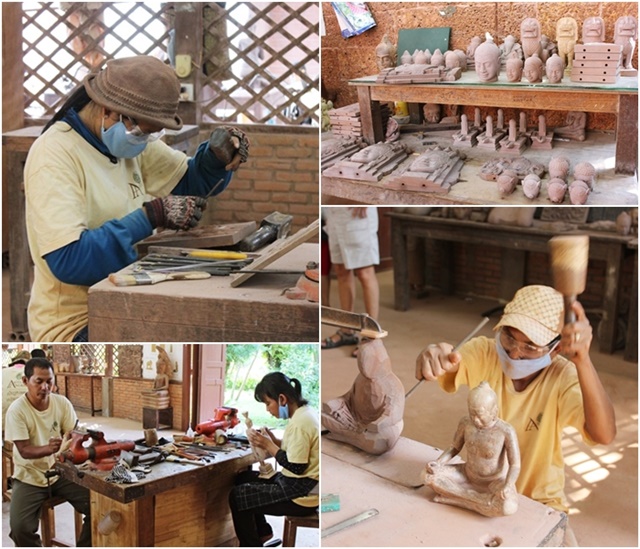
    Upon reaching Siem Reap, we stopped by New Bayon, a local Cambodian restaurant, for lunch and immediately headed to the Artisans d’Angkor to appreciate the handmade products of the Khmer culture. This arts and crafts center in Stung Thmey Street was created in 1999 to help young people find work in their home villages by training them for free in the different workshops.

    Artisans d’Angkor invests in building new apprenticeships who will revive the traditional craft skills in Cambodia such as stone carving, wood carving, lacquering, gilding and silk processing. These young apprentices aged 18 to 25 are selected from rural areas through skill and motivation tests. They undertake six to eight months of training. Some of them are deaf and mute, so it’s both interesting and inspiring to know that they’re still willing to learn and able to utilize their God-given skills to create wonderful things.

    An English-speaking guide took us to the workshop areas, and there we saw the steps in creating intricately designed products such as wares, statues, figurines, decors, and souvenir items from raw materials. The setup was much like a manufacturing factory where one team/individual does a step and then moves it to the next to transform raw materials into finished goods. Guided tours in Artisans d’Angkor are also available in Khmer, French, German, Japanese, Chinese, and Thai and are being conducted daily from 7:30 AM to 5:30 PM.

    At the end of the tour, we went to the boutique where they sell the finished products in their show room. Prices of the items are steep, but if you’re a fan of high quality workmanship and want to bring home unique memorabilia to family or friends, they may just be worth every dollar. 😉

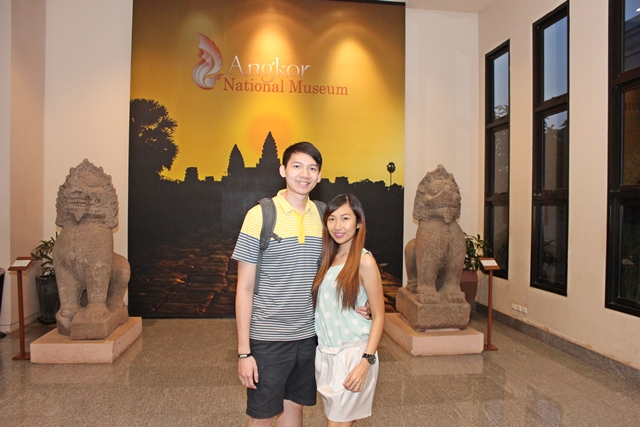
    2. Angkor National Museum

    The Killing Fields in Siem Reap was initially part of our itinerary, however since we have already visited the one in Phnom Penh, we requested the travel guide and driver to drop us at the Angkor National Museum instead.

    The Angkor National Museum presents the origins of Khmer art, culture, and architecture in great visual formats. Respective descriptions of the artifacts are placed on labels, and for further comprehension, videos telling about introductions about them can be played over and over again in different languages. The remnants, statues, artefacts all depict scenes in history related to war, religion, and manners of social customs throughout the evolution of the Khmer civilization.

    Entrance fee per person was $12 (a bit high), so we spent our time well to understand the deep Angkor context behind galleries and exhibits to make the most out of what we paid for. In addition, an audio tour in Khmer, English, German, Korean, Japanese, French, Chinese, and Thai is also available for $3. (Note: Taking of photos in the galleries is prohibited.)

    3. Banteay Srei

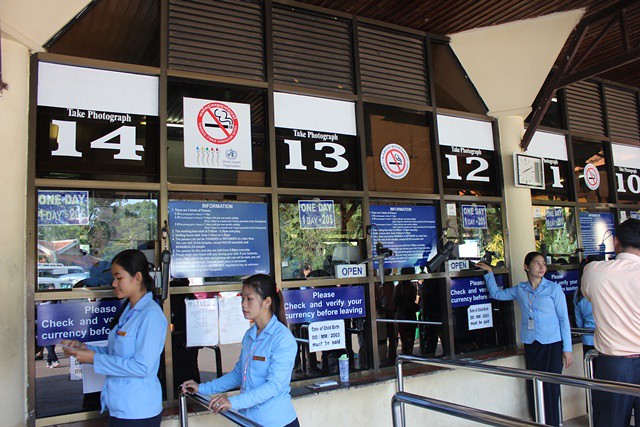
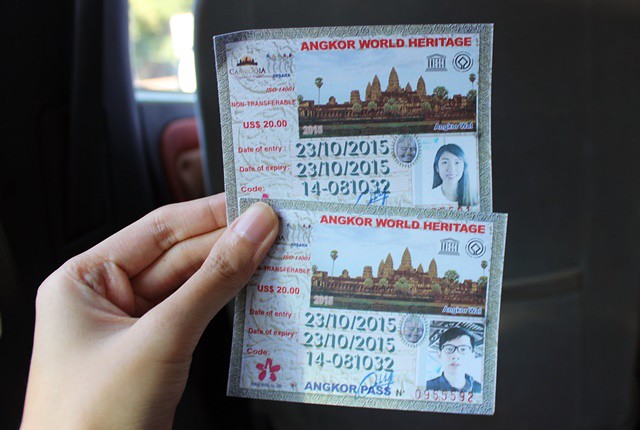
    On the next day, early in the morning, we had to buy our tickets to the Angkor World Heritage (good for one-day pass) at the ticket center. Visitors all have to show their tickets to the guards in every temple entrance.

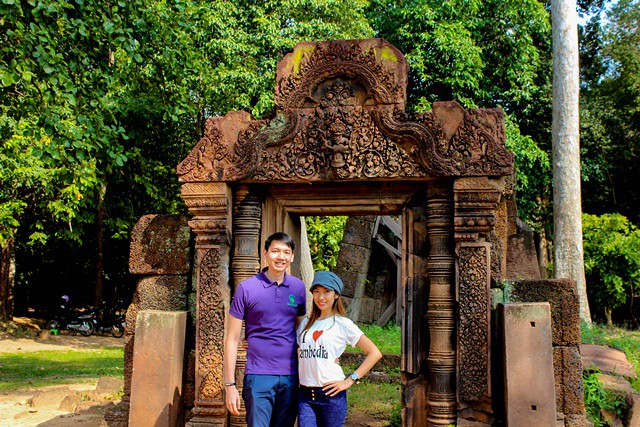
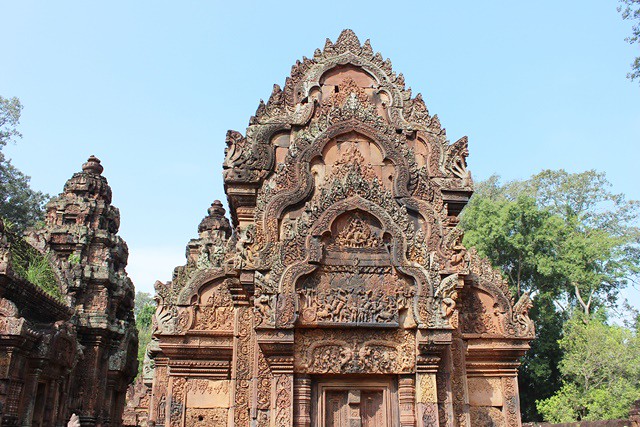
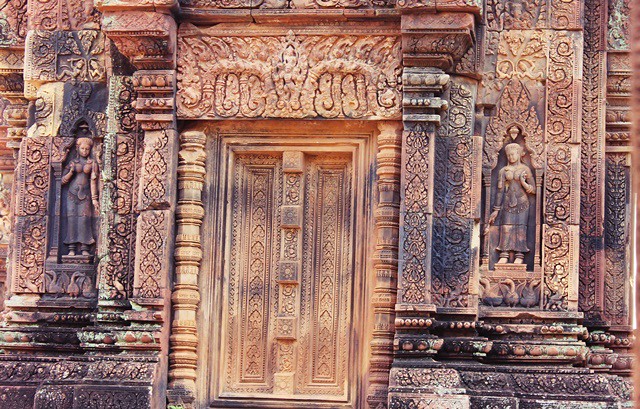
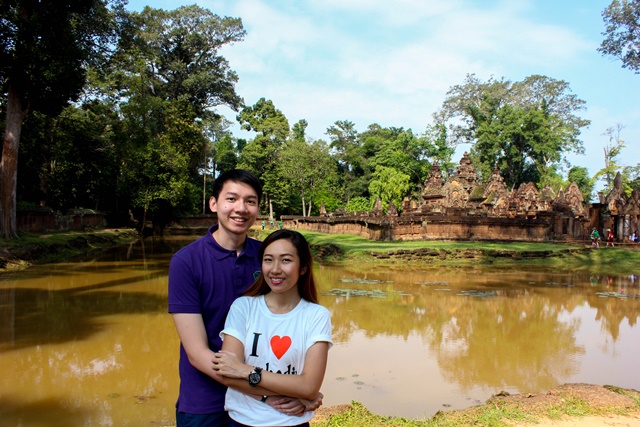
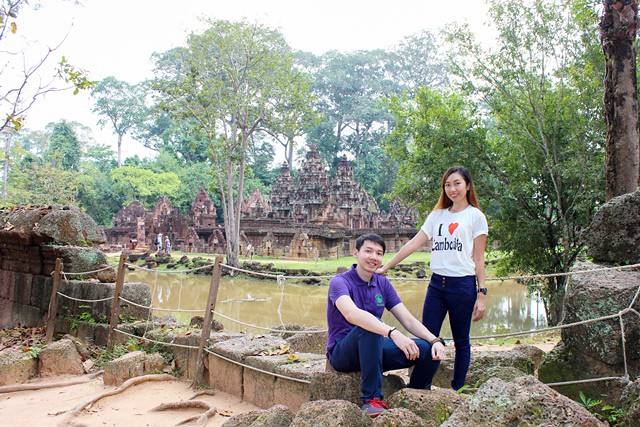
    Our first stop was the beautiful Banteay Srei. It’s quite far from Angkor Wat, but since we were already there in Siem Reap, we surely could not miss it. Banteay Srei is a 10th-century Hindu temple complex that features well-preserved relief carvings depicting tales and scenes from ancient Hindu dieties. The southern buildings and the central tower were devoted to the Hindu God Shiva, while the northern ones, to Vishnu.

    Displaying fine examples of classical Khmer art, this temple was built largely of red or pinkish sandstone. It’s amazing how all of these were done by hand. Such detail at such scale would have taken lots of hard work. What’s even more amazing is that these were created and designed in 967 by Yajnavaraha, a Brahmin priest and counselor of King Rajendravarman II and his brother. I would not have thought that people back then could be super creative. How they drew and planned out the architecture remains a mystery.

    4. Angkor Wat

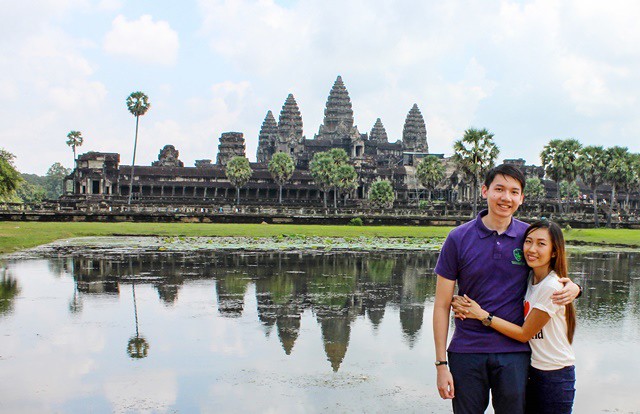
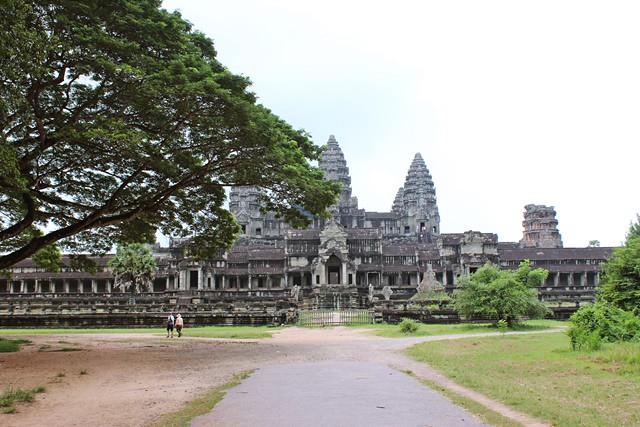
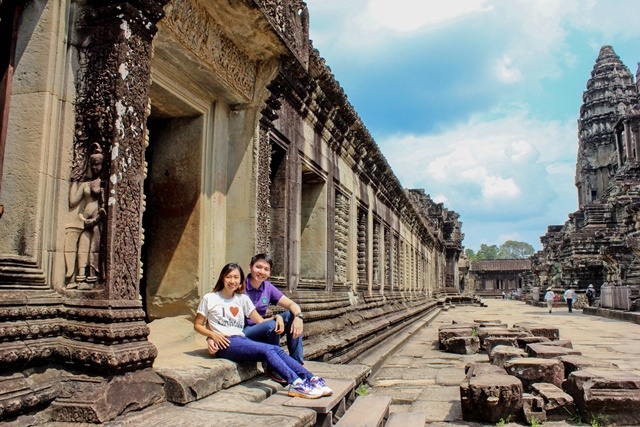
    Next, we moved to the major attraction in Siem Reap: Angkor Wat. Its beauty and state of preservation is truly unrivaled. There are a few places I have been where I get a feeling that’s hard to put into words, and this masterpiece is one of them. It’s like a combination of a sudden overwhelming feeling of joy that hits you so hard it almost hurts your chest. It’s just impossible to stop smiling and at the same time feel incredibly calm.

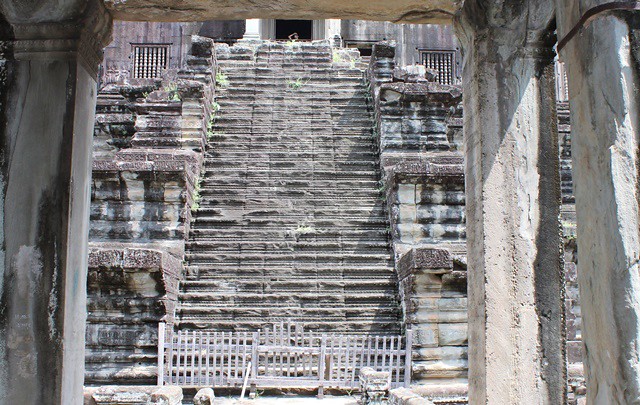
    I’ve seen its magnificence on pictures and videos before, but its vastness, complexity, and the beauty of its design are not comparable. From the many steps leading us to one of the gates, Angkor Wat appeared to be a giant mass of stone. Up close though, it looked like a series of elevated towers, chambers, porches, and courtyards on different levels linked by stairways.

    We walked up the stairs and felt so tired. But all that were somewhat gone as we realized that we were on the world’s largest religious building, the “mother of all temples,” as Angkor Wat is known. When we finally reached the top, we stopped for a few minutes to appreciate the grandness of it, the scenery below, and the crisp, sunny day that made us perspire most copiously.

    5. Bayon Temple

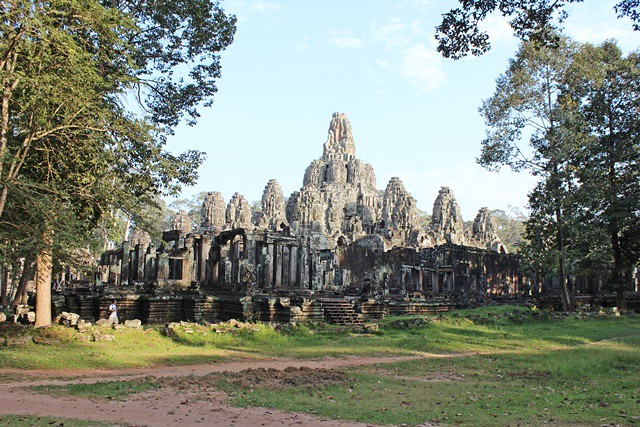
    We had lunch at Samroh Sra Srang Restaurant then explored the features of Angkor Thom. Angkor Thom was built as a square. The vast area contains many stone temples and has five gates. The sides run exactly north to south and east to west, and standing in the exact center of the walled city is Bayon Temple, which represents the intersection between heaven and earth.

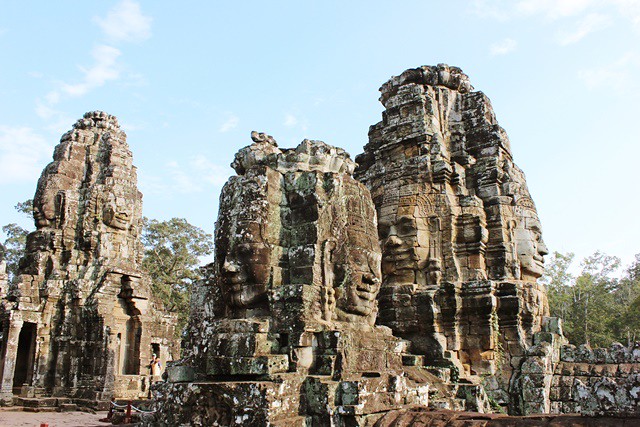
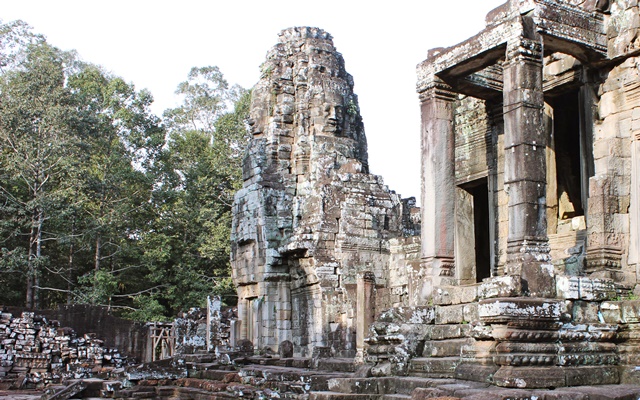
    Bayon Temple is a Buddhist temple but retains elements of Hindu cosmology and imagery. If you would notice, carved in the stones are enigmatic smiling faces of people. The 49 towers were each decorated with the four faces of the compassionate Bodhisattva Avalokesvara with a combination of king Jayavarman VII’s face as well. These faces symbolize the four sublime states of Buddhism: charity, compassion, sympathy, and equanimity.

    It’s notable that Bayon Temple was the last stone temple ever built in the period of the Khmer empire because the country began to decline as construction of the temple was finished. Sadly, some of the faces are now destroyed and not anymore restored.

    6. Baphuon Temple

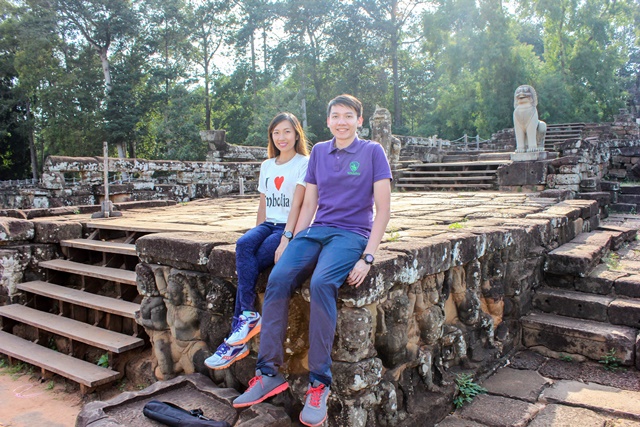
    Also located in Angkor Thom, northwest of the Bayon Temple is the three-tiered temple mountain Baphuon Temple that’s dedicated to the Hindu God Shiva but later was converted to a Buddhist temple. Our tour guide, Thear, told us to climb the stairs to see the 9 x 70 meter long statue of a reclining Buddha on the second level, but we were too tired so we ended up just taking pictures by the entrance gopura of the temple. 🙂

    7. Ta Phrom

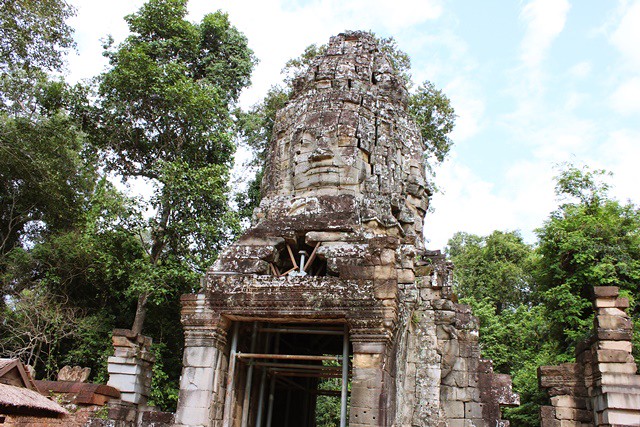
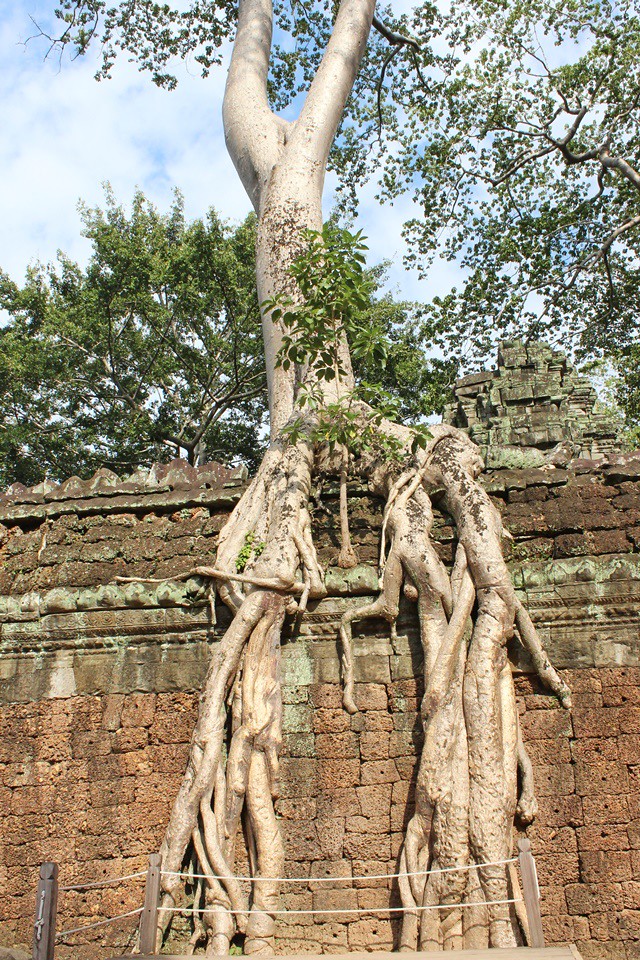
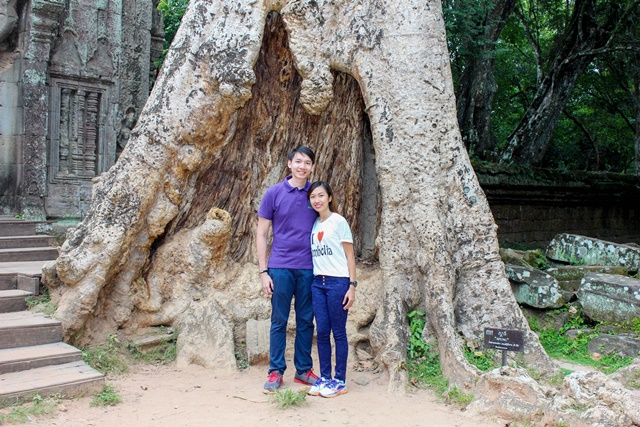
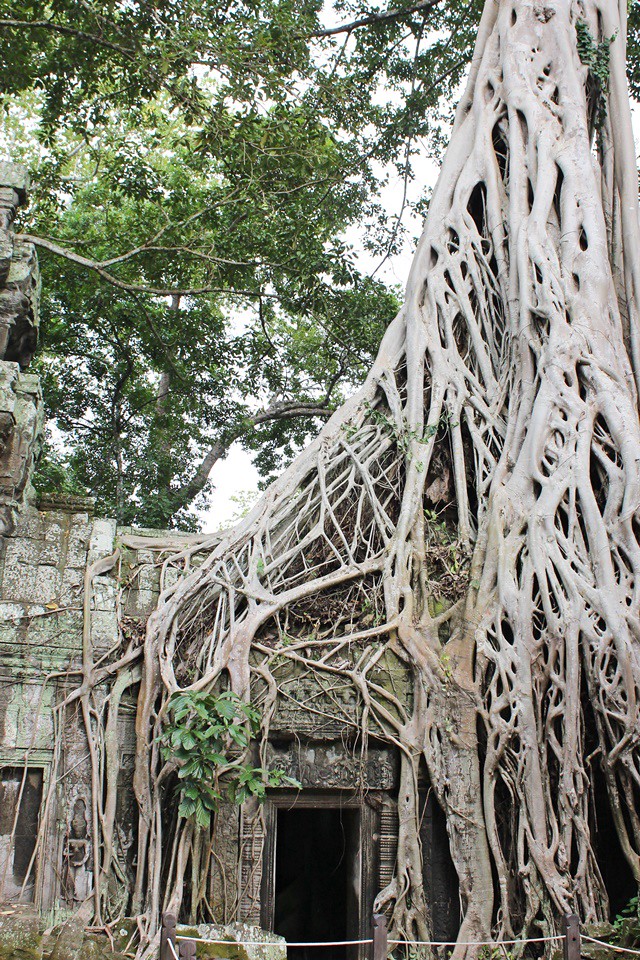
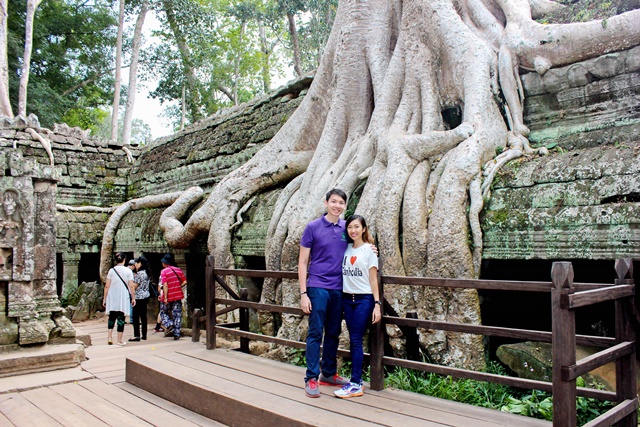
    For those who have watched Tomb Raider starring Lara Croft/Angelina Jolie, you may be familiar with Ta Prohm. This was where parts of the trailer and the movie scenes were shot. Great trees tower above the entire site and the way the plants and vines creep through looked wonderful. The resulting effect was like a cross between nature and man-made art.

    This kind of temple is very different from the Chinese-Buddhist temples that we’ve grown accustomed to. I thought it’s more like a park than a sacred destination where people go to pray. Ta Phrom, with the photogenic backgrounds and atmospheric combinations of trees growing out of the ruins, is one of the most visited complex in the Angkor region. Conversation and restoration of the site is still ongoing, with the help of the Archaeological Survey of India and the APSARA (Authority for the Protection and Management of Angkor and the Region of Siem Reap).

    8. Phnom Bakeng Hill

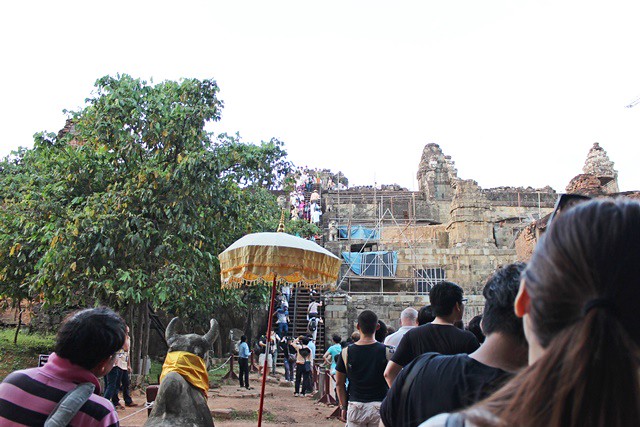
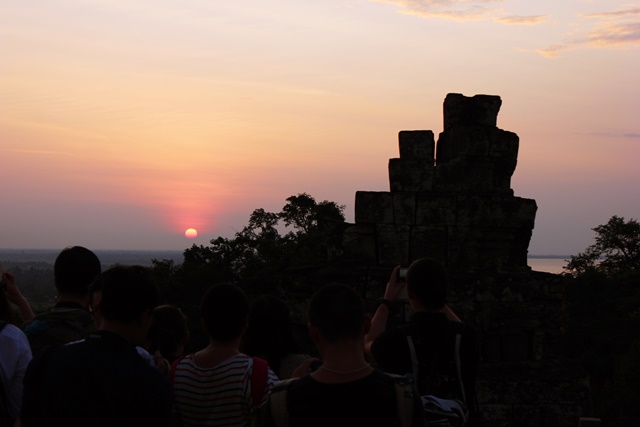
    Our tour guide advised us to go up the Bakeng Hill as early as 4:30PM to see the sunset at 6:00PM. Several other tourists started to quicken their trekking pace, and this was because everyone was trying to be the first 300 to reach the top. Per policy, only 300 people at a time could stay on the temple’s peak to witness the sunset view. We waited an hour in the queue for our turn. Look at the number of people staying in line. The Phnom Bakeng Bill literally is a  crowd magnet at this “magical” time of the day.

    We were lucky to have taken a glimpse of the spectacular sunset. After we took the shot, we hurriedly descended downhill so others could still have their chance. Soon, it got darker and darker until we had to rely on our phone’s flash to see the paths to walk on. There were no street lights that guided us back, and this posed a challenge at the end of our journey.

    9. Pub Street

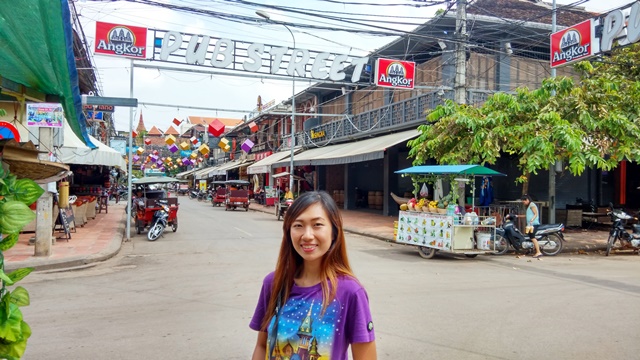
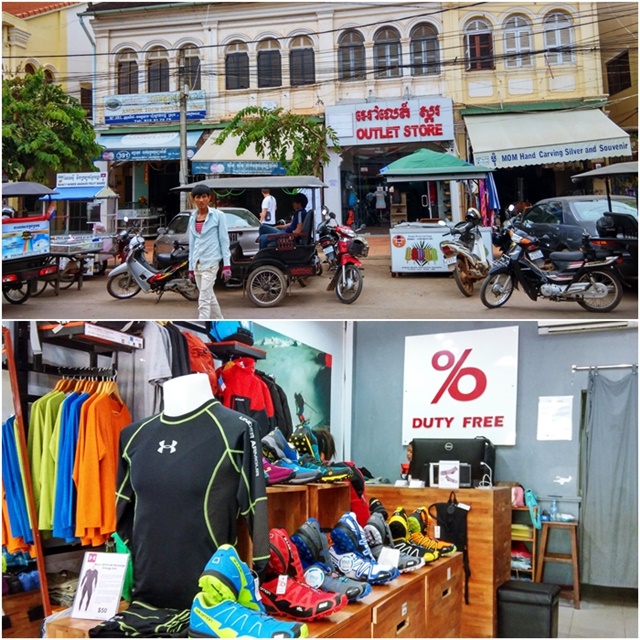
    We spent our third day shopping in the outlet stores and tiangges in Pub Street and the Old Market. As the name suggests, Pub Street is a street full with bars and pubs left and right. It’s not too noisy in the daytime but it sure is the liveliest part of Siem Reap at night where entertainment is non-stop. Souvenir shops and massage centers also contribute to the good finds and experiences here. After a long walk around the Angkor Wat Complex, this is the perfect place to unwind and buy gifts for family and friends.

    10. Psar Chaa – Old Market

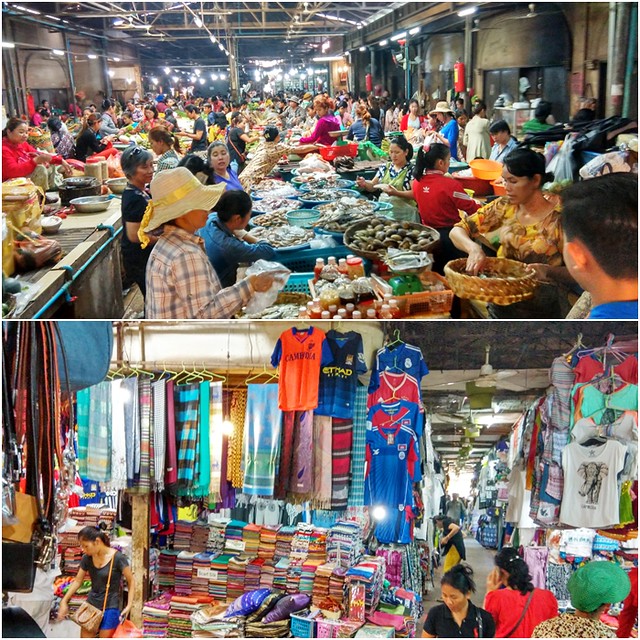
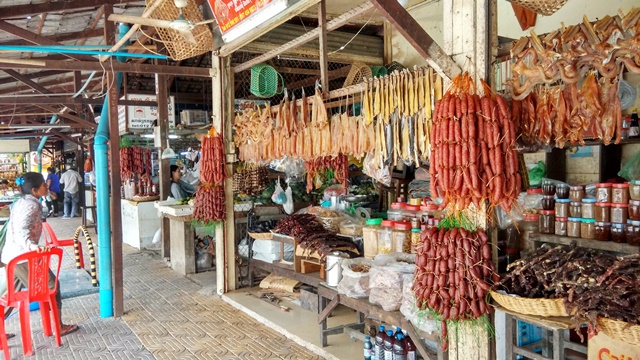
    The Old Market is like Divisoria (marketplace) in the Philippines. We came fully circle the entire market and saw how the place was bustling with people and overloaded with goods. It’s great that most vendors can speak and understand English well and they were not pushy in selling but were rather accommodating enough to make customers feel comfortable while looking around. This place mostly sells clothes, accessories, jewelry, arts and crafts, shoes, cooking materials, local herbs and spices, noodles, seafood, etc. The golden rule is to bargain hard.

    Wrap Up

    Craving a change of scenery? Siem Reap in Cambodia is an ideal place to go for a dose of adventure. The trick is to find your way on how to maximize your time to go to all the temples worth visiting. This is the land of unparallelled art made in stone. Trust me, you have to see it to believe it. There’s no shortage of beauty here. I can imagine spending more time soaking up the local charm if only the weather wasn’t too humid.

    Aside from the temples in the Angkor Wat Complex, tourist destinations in Siem Reap are also staples that are rich in history. They have the grandeur of a place out of the current time—everything a tourist needs to feel transported.

    If you want a nice and friendly English-speaking guide in Siem Reap, you may contact Sokonthear (Thear, for short) through email (thearcam@yahoo.com) or call him at +855 95838663 / +855 98665787 for a hassle-free tour. He can arrange everything from hotel accommodation, travel itinerary (inclusive of entrance fees), restaurants to eat at, van transfer from airport to hotel and vice versa. 🙂

  • Lola CafĂ© Launches New Menu (Tomas Morato, Quezon City)

    Lola Café Launches New Menu (Tomas Morato, Quezon City)

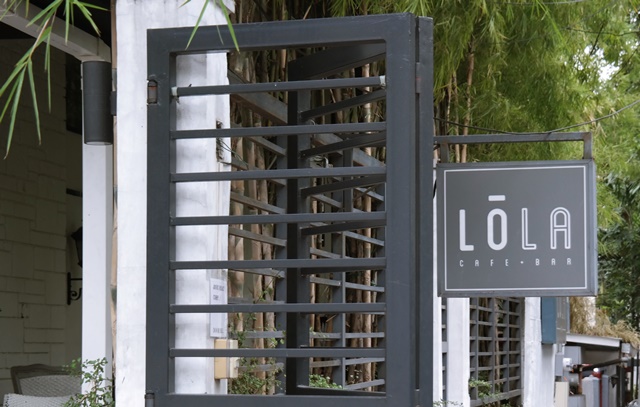
    In 2013, Louie and I celebrated Valentine’s Day in Lola CafĂ©. Seeing our old photos together gave me a chuckle. It’s been over two and a half years. So many things have changed since that day, and Lola Cafe’s menu recently did too. 😉 With Chef Jon Mangibin now taking lead in the kitchen, this restaurant in Tomas Morato, Quezon City goes through a “culinary fixture.” The placement of furniture and fixtures also moved around a bit, making the place more versatile for both groups of friends or family and romantic dates.

    Chef Jon

    With its fresh menu, Lola CafĂ©+Bar decided to focus in serving Filipino Food 2.0 which basically consists of creative riffs on Filipino food classics like chicken tinola, bagoong rice, beef salpicao, sisig, and the like. We had lunch here with the KTG last Saturday to taste its mouth-watering delights and experience gastronomic euphoria, thanks to Richie‘s invitation. 🙂 Target launch date of the new items is on November 23, 2015.

    Lola Café Launches New Menu (Tomas Morato, Quezon City)

    Small Plates

    There may be many excellent dishes for you to dive into on the menu. Quite frankly, there are no wrong answers, but the Wagyu Salpicao (PhP 320) might be more right than the rest. With roasted garlic in olive oil, the Kitayama wagyu beef (raised locally in Bukidnon, Philippines) was boldly flavored and actually portioned to share. The softness of the wagyu beef is exactly like you would hope it is. Get into the fiesta spirit and match it with a great glass of wine.

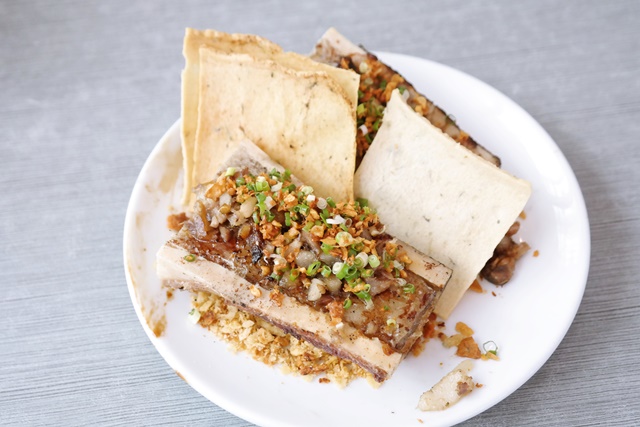
    The Bone Marrow Sisig (PhP 275) was a complete stunner. There’s something about the fatty and buttery bone marrow with kamias jam and garlic crumble flat bread on the side that got it done for us. Each component was strong on its own and equally good smashed together on the plate.

    Soup and Salad

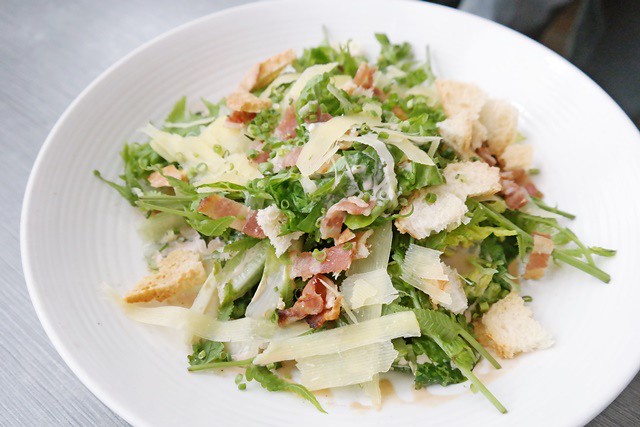
    Caesar Salad is one of the trendiest salad choices these days, especially for those who are on a diet. If you think salads are boring though, know that serving it in a more exciting and palatable way is possible. How? Grilled. Smoky and with a touch of crunch, hearty Romaine lettuce and bread crisps with bagoong dressing were delightful. Bacon strips mixed in made the Grilled Caesar Salad (PhP 290) a killer dish you would want to nestle alongside your mains.

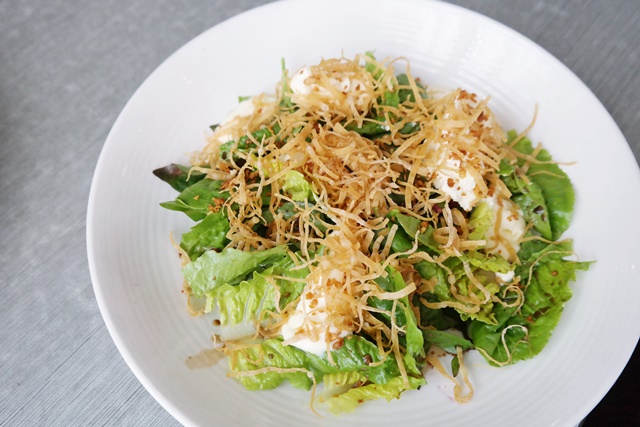
    The Alugbati and Kesong Puti Salad (PhP 310) had a good combination of flavors and textures, featuring charred alugbati, lettuce hearts, roasted carrots, beets and balsamic vinaigrette. As salads go, it sounds pretty decadent—and delicious. I think kesong puti was what brought in new life to the salad; it added a little bit of both saltiness and creaminess to every bite.

    Lola Café took no shortcut to deliver a comforting and tasty bowl of Bacon Belly Batchoy (PhP 320). Topped with soft boiled egg, this noodle soup was not just a vehicle for braised bacon slabs and ox tripe, but it was also a celebration of the role of sweet garlic, which for a garlic fan is pretty much heaven.

    Pasta and Rice Bowl

    The Spicy Tinapa Pasta (PhP 215) had a subtle, oceany richness that’s captivating. It was salty from the smoked fish flakes, luscious and sweet from the fresh heirloom tomatoes, spicy from the dried chili, and quite intoxicating from the scent of the olive oil.

    Among the items we tried so far, the Sweet Pork and Bagoong Rice (PhP 295) could be one that’s most recommendable to foreigners who would want to appreciate Filipino food in their first visit here. Made with salted dried shrimp “hibe,” roasted pork belly, and “burong” mangga, the entire dish was slightly overwhelming all at once. It was so wonderfully complex that you just have to surrender to its demands.

    Quarter Chicken Confit and Tinola Rice (PhP 280) was another crowd-pleaser. With ginger confit chicken, lemongrass rice pilaf, charred green papaya, and scallion-anchovy vinaigrette, Lola Cafe has constructed a hearty, full-flavored Filipino main dish whose ingredients both harmonize and perform as soloists. The chicken was really tender and I loved that the taste of the ginger and onion-based tinola was evident.

    Mains

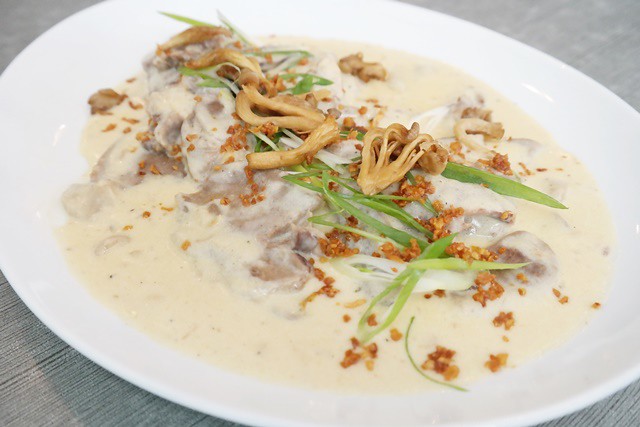
    Swimming in porcin broth, garlic cream and wild mushrooms, the thinly sliced and slow-braised Truffled Lengua (PhP 495) came out soft, rich, and almost pĂątĂ©-like. Until now though, lengua (beef tongue) is one of the internal meat organs that I like eating the least because I think it’s formidable. It’s not for the faint of foodie heart but best for the adventurous palate.

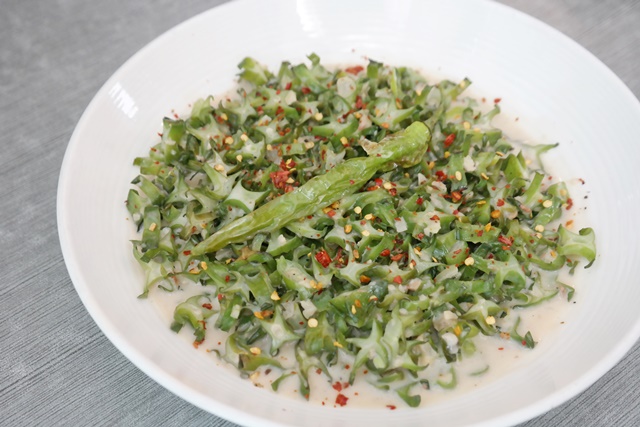
    Somewhat like Bicol Express, the Gising Express (PhP 140) or “Gising-Gising” was cooked with coconut milk broth, homemade bagoong, sigarilyas (winged beans), French beans, and finger chili. It’s great to be paired with steamed white rice to temper the heat situation.

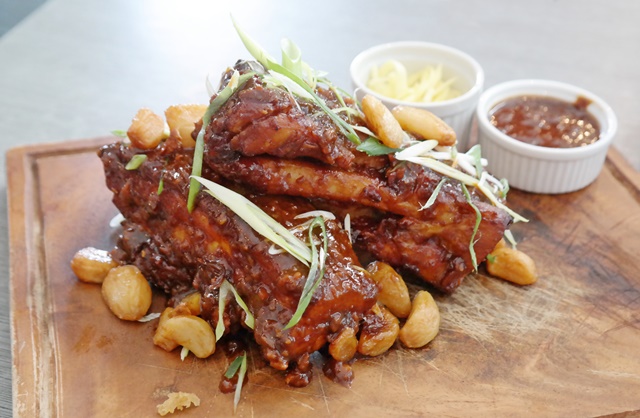
    The Roasted Belly “Tocino” (PhP 490) gave off an oriental taste (think Chinese char siu, as in the regular siopao filling), most probably because of the SSAM-anise glaze. Adding more depth, the salty burong mangga or “pickled mangoes” on the side complemented the savory aspect of the slow-cooked pork liempo nicely.

    Desserts

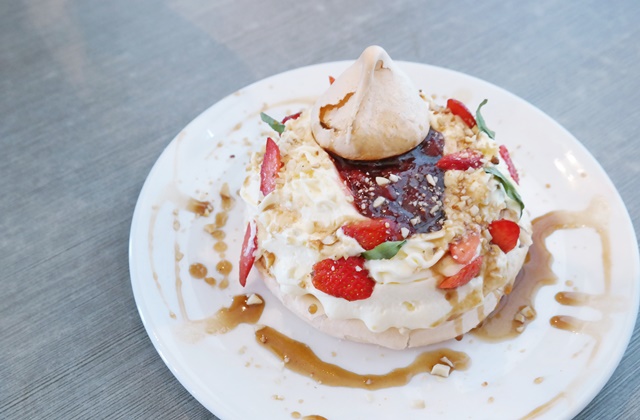
    For desserts, we had Baguio Strawberries and Cream Pavlova. It was amazing how the nest remained crisp, light, and crumbly right before we dug in. The billows of whipped cream and juicy fresh strawberries on top were truly delectable. This item is definitely my kind of dessert.

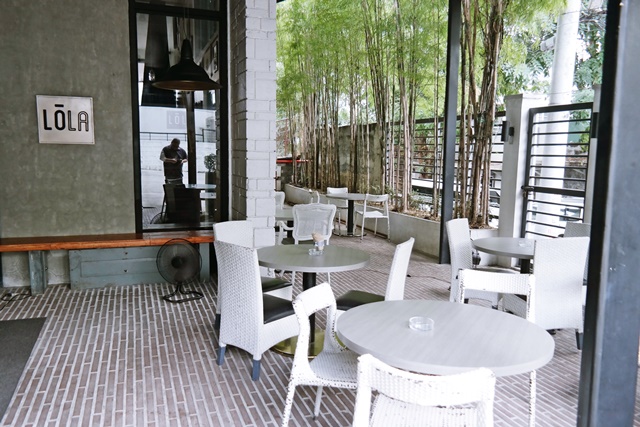
    Set in a landmark location in Tomas Morato, Lola CafĂ©+Bar boasts a fine ambiance and gracious service to match. There’s more Ă  la carte selections available on the menu than these ones featured in this blog post, so if you want creative, zesty Filipino food or just local comfort food with a flair, go to Lola CafĂ©+Bar and make no doubt about it. It’s now open for lunch and dinner! 🙂

    [schema type=”review” url=”https://www.facebook.com/LoLa-CafeBar-285948114823212/” name=”Lola Cafe” description=”99 Scout Lozano Street, Laging Handa, Tomas Morato, Quezon City” rev_name=”For inquiries or reservations, call (02) 5012620 or +639178176045″ author=”Rochkirstin Santos” pubdate=”2015-11-17″ user_review=”4″ min_review=”0″ max_review=”5″ ]

  • How Food Affects Your Emotions: The Good and The Bad

    How Food Affects Your Emotions: The Good and The Bad

    Just last October 27, 2015, our company has celebrated its 20th Year Anniversary at the EDSA Shangri-La Isla Ballroom. Many of us had started to go on a diet months before the big day to achieve a svelte figure, get into our ideal weight, and ultimately be able to fit into our gowns—and in the case of gents, pants and tuxedos—perfectly.

    I also rode the bandwagon and tried eating less sugar, less processed food, less carbs and also trimmed down my intake of chips to zero.  It was during this time that I noticed how food affects mood and emotions. In this post, let me share with you some findings.

    1. Our diet and our emotions are dramatically connected.

    Eating the right food boosts mental health, as anything we consume can affect our body’s metabolism and hormones. In addition, the nutrients from the food also influence our emotions, concentration and energy because they send chemicals to our brain.

    For instance, have you noticed how eating a candy bar or a sugary donut gives you a spike of energy and later crashes it low? This is because consuming sugar, particularly fructose, contributes to insulin and leptin resistance and impaired signaling. In other words, fluctuations in the blood sugar trigger a poor mood.

    Avoiding sugar is no easy feat, and this is true for those who have a sweet tooth. However, saying no to it may be the best way to increase focus and turn your mood around. Alcohol has the same effect of leaving you with a short-lived burst of energy followed by a tired, cranky feeling, since it’s a depressant and can disturb sleeping patterns.

    2. Eating often enough is important.

    I eat breakfast at around 6:30AM and hunger strikes again 30 minutes before our 12NN-lunch break. I found out that this is normal because our body should be fuelled with food every four to five hours. Eating at this suggested regular interval helps to keep blood sugar levels steady and assists in keeping our mood stable. There’s more to maintenance of emotions than eating the right foods. Being too hungry will also strike a bad mood.

    3. Certain key nutrients impact our emotions.

    When feeling stressed, eating whole-wheat pasta which contains magnesium may reduce stress. Pairing pasta with salmon or any fish rich in omega-3 fatty acids can help decrease anxiety symptoms. To improve mild depression and reduce anxiety levels, have a meal with red meat, whole grains and legumes. These food contain selenium and selenium keeps your happy hormones balanced.

    Getting enough Vitamin C and iron is also key to sustain a healthy and happy mood. Seafood such as clams, oysters, mussels, octopus and liver will aid in iron absorption. Combine these with vegetables such as spinach, bell peppers, and tomatoes that are rich in Vitamin C to help relieve mood disorders.

    4. Dehydration contributes to poor concentration and low energy.

    Given different lifestyles, the general rule is to drink six to eight glasses of water a day. Because of busyness at work, I could hardly complete the requirement to keep my body hydrated. To solve the problem, I bring a reusable water tumbler to work and refill it at least four times throughout the day to make sure that I reach my daily quota.

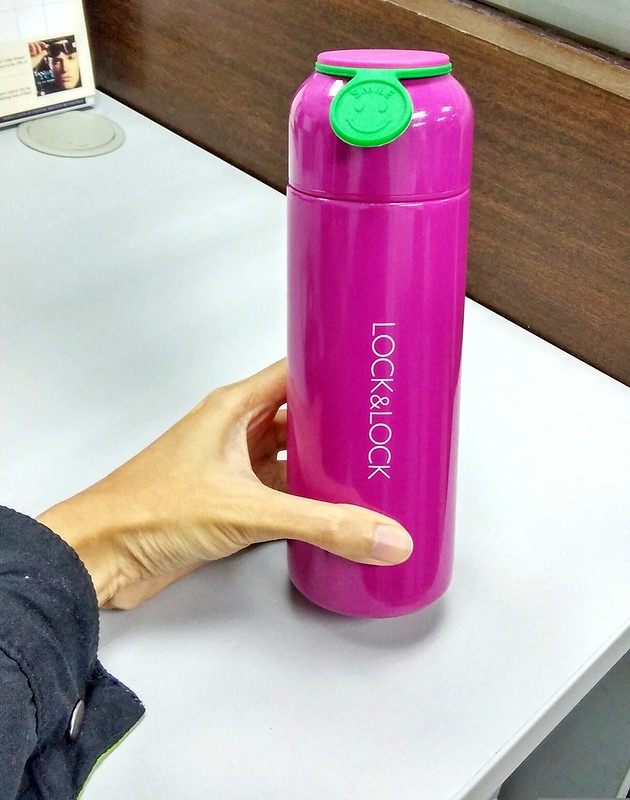
    Recently, I found a newly launched product by Lock & Lock which replaced my old plastic tumbler. It’s the Lock & Lock Emotion Tumbler that’s made of stainless steel. What I like most about it is that it can be used both for hot and cold liquids and it looks so stylish and hip (available in three colors: black, white, and pink). Mine is pink! 🙂 It’s also easy to clean by the hygienic separable strainer.

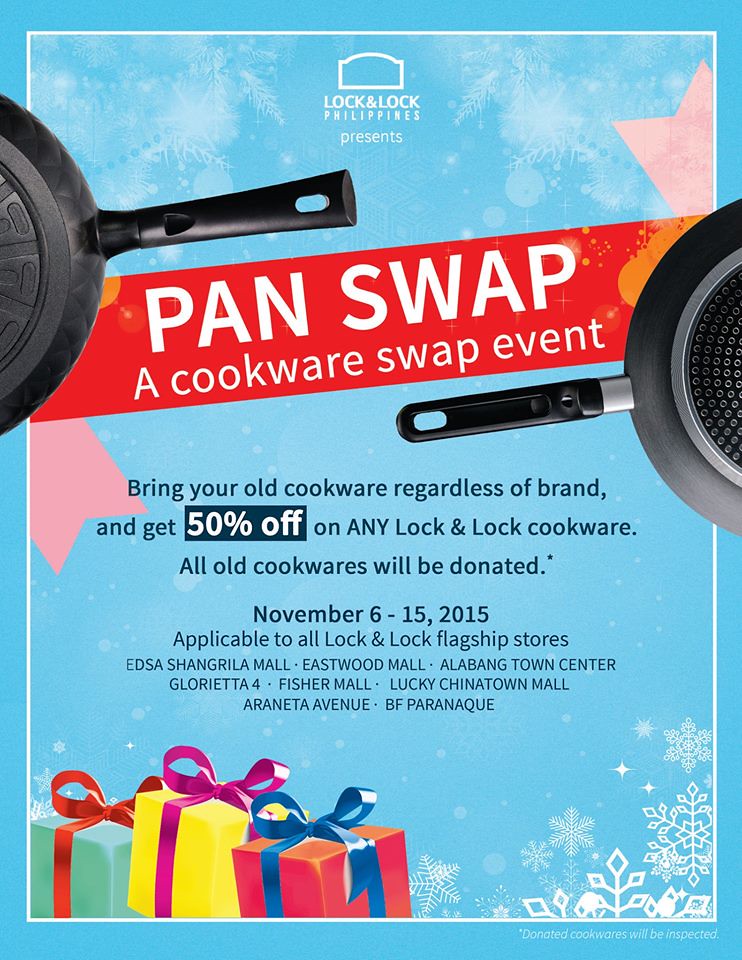
    Now is also the best time to take advantage of Lock & Lock’s promo: “Bring any used cookware (any brand) and get 50% off your purchase of any Lock & Lock cookware item from Nov 6 to 15, 2015.”

    Participating Lock & Lock Boutique Stores are as follows:

    • SHANGRI-LA PLAZA MALL – 6F EDSA Shangri-La Plazacorner Shaw Boulevard, Manila
    • EASTWOOD MALL – 3F Eastwood Mall, Bagumbayan, QC
    • GLORIETTA 4 – 3F Glorietta4, Office Drive, Makati
    • BF HOMES – 114 Aguirre St., Paranaque City
    • ALABANG – Upper GF AlabangTown Center, Ayala Alabang, Muntinlupa
    • FISHER MALL – 3F Fisher Mall, Quezon Avenue, QC
    • QUEZON AVENUE – Megastate Bldg., AranetaAve., corAgno St., QC
    • FAIRVIEW TERRACES – G/L Fairview Terraces Mall, Paranaque City

    To know more, please visit its Facebook Page: fb.com/LocknLockPhilippines.

  • Review of Rose Emerald Hotel (Phnom Penh, Cambodia)

    Review of Rose Emerald Hotel (Phnom Penh, Cambodia)

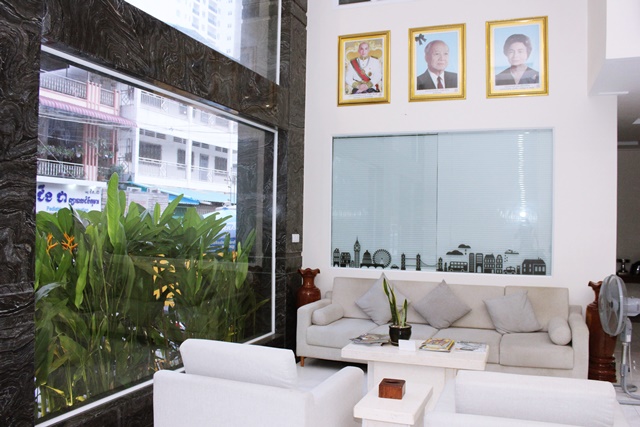
    Suggesting class and respectability, Rose Emerald Hotel in Phnom Penh finds the perfect combination between convenience and elegant design. It is located smack-bang in the center of the city, so going to restaurants, the marketplace, and shopping outlets is just about 10 to 15 minutes of tuktuk ride away.

    We stayed in this three-star hotel in Cambodia for two nights and were delighted with its plush room and level of service. Offering simple amenities, Rose Emerald Hotel in Phnom Penh is most ideal for the no-nonsense, the kind of guests who are likely to spend most of their time out and about. Staffs can speak in English, and that counts a lot.

    Review of Rose Emerald Hotel (Phnom Penh, Cambodia)

    Ambiance: ★★★★☆

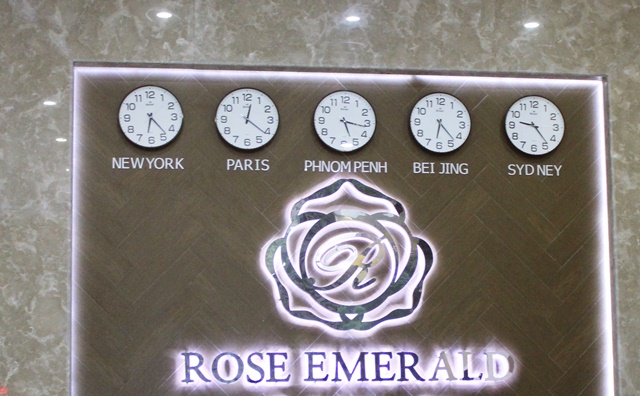
    Things looked promising right from the entry. The wide and sun-lit lobby and lounges were pleasing to the eye. Tall ceiling and white walls made the interior look rather sleek and minimalist. Chic lifestyle magazines and travel guides were available as references, telling about descriptions of places to travel and restaurants to try in Phnom Penh. These are wonderful for those who wish to create or update the list of destinations on their travel itinerary or guests who just want reading materials so they don’t get bored during their downtime.

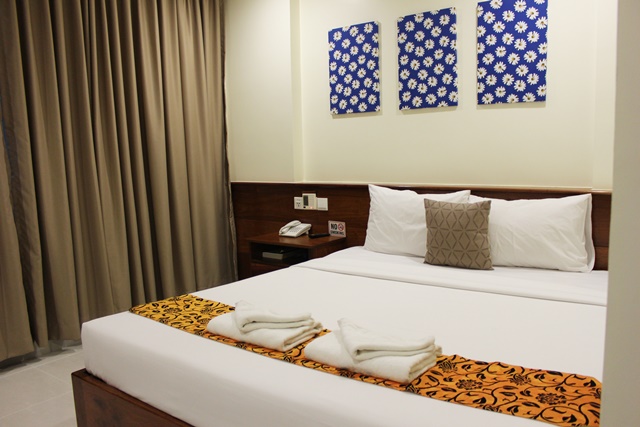
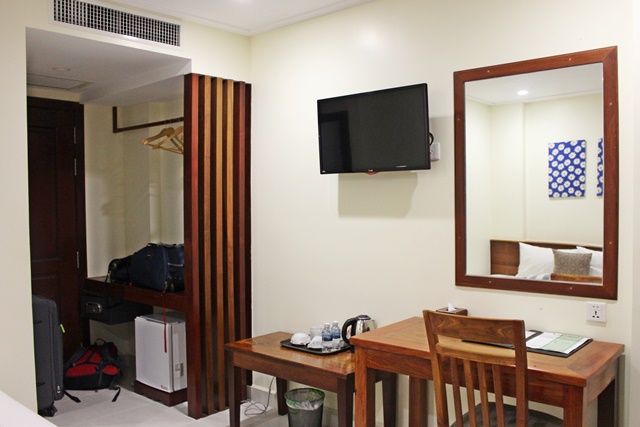
    Tastefully designed, the Superior Double Room covering 35 square meters combine clarity, softness, and a fine mix of colors. White and shades of brown should appeal to both sexes. The room was equipped with modern conveniences we expected from a three-star property, such as reliable air conditioning, free WiFi throughout, vault, TV, and mini fridge.

    The Superior Double Room also had a writing desk, quality king-size bed, and comfortable seating. It was, in short, a good room to return to after the exaction of a day of leisure.

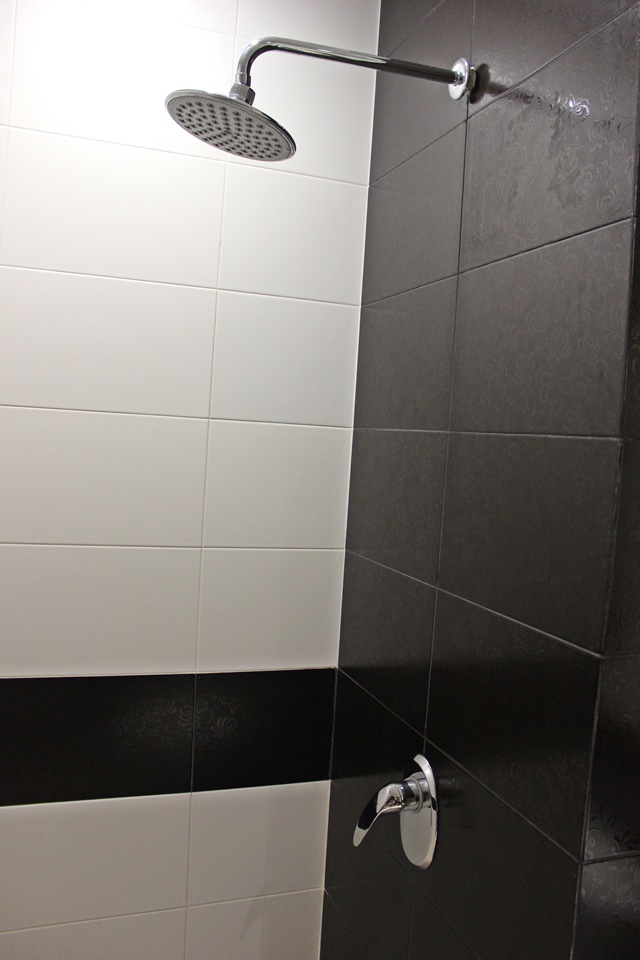
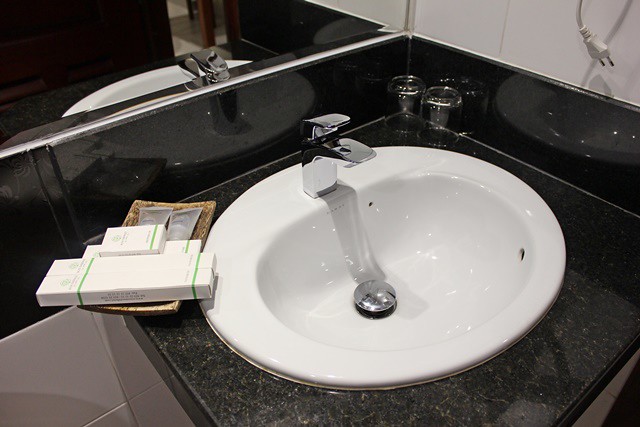
    The bathroom was well-appointed with a full-sized shower, towels, and basic toiletries, so guests don’t have to worry about packing these things in their travel bags.

    Service: ★★★★★

    Charming young people manned the reception desk, and they were easy to talk with. The doorman was particularly friendly and helpful. Overall, staffs here provided the kind of treatment that makes travelers feel safe and cared for.

    Food: ★★★☆☆

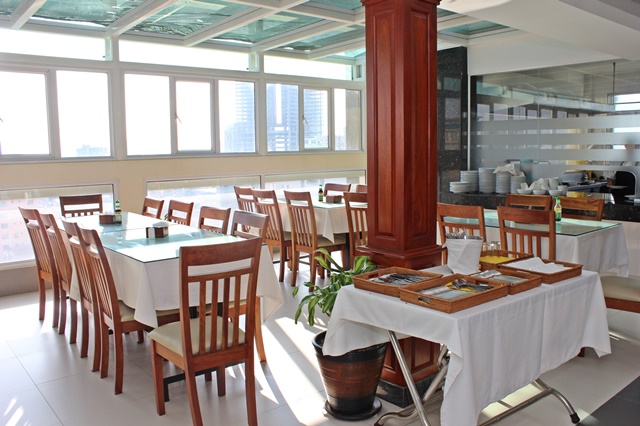
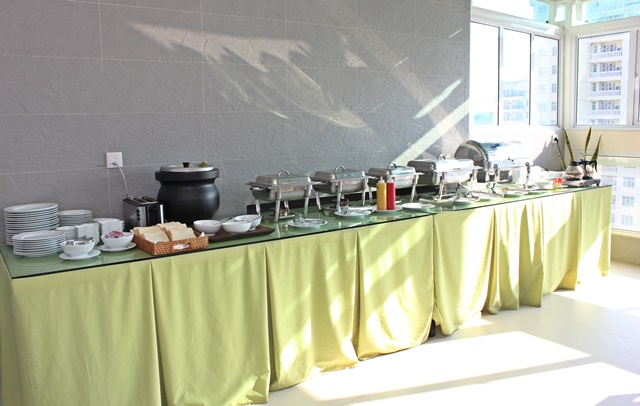
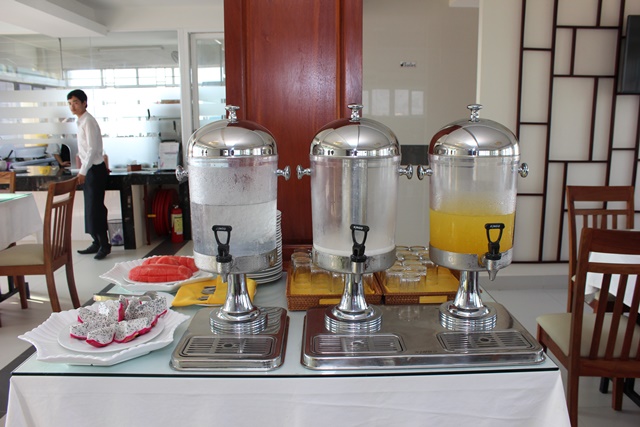
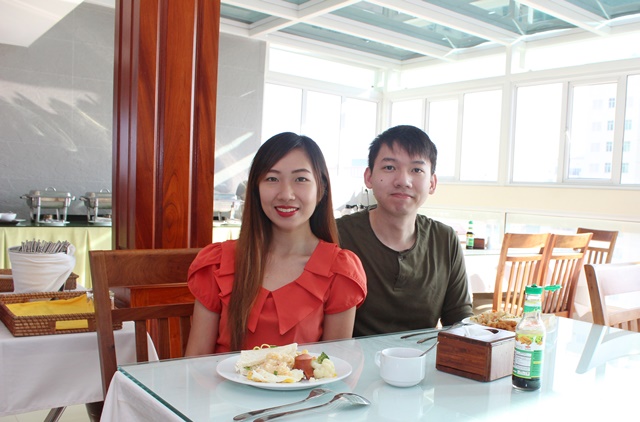
    The restaurant is housed on the 11th floor. It seemed that there’s no attempt to bag contemporary design awards, as the place looked practical and straightforward for its purpose with plenty of dining tables and chairs across the L-shaped room. Breakfast was served buffet style with both local Cambodian and Western food items. Tastes were okay but nothing out of the ordinary.

    Price for Value: ★★★★☆

    Our room only costs $36/night, and it gave far more than my expectation from a three-star hotel in Phnom Penh. Transplant this hotel to any other city in the world or even in Asia alone, and the room rates would probably be about three to five times as much.

    Rose Emerald Hotel is suited for people who are going to Phnom Penh for a business trip and the quieter, more reflective sort of visitor who wants to be handy for everything (culture, history, shopping, food, etc.) without paying luxury prices.

    [schema type=”review” url=”http://www.roseemeraldhotel.com/” name=”Rose Emerald Hotel” description=”No.36, St.232 corner St 115, Sangkat Veal Vong, Khan 7 Makara, Phnom Penh, Cambodia” rev_name=”For inquiries/reservations, call + 855 23 22 32 32, + 855 23 22 13 33, or e-mail reservation@roseemeraldhotel.com” author=”Rochkirstin Santos” pubdate=”2015-11-11″ user_review=”16″ min_review=”0″ max_review=”20″ ]

  • Top 7 Tourist Attractions We Visited in Phnom Penh, Cambodia

    Top 7 Tourist Attractions We Visited in Phnom Penh, Cambodia

    Two days were adequate for us to already go through the major tourist spots in Phnom Penh and know about the history behind each. Phnom Penh in Cambodia is a must-visit city noted for its beautiful and historical sites. However, as the nation’s capital, it is not exactly the kind of city you would be to excited to view skyscrapers or be thrilled with modernization, luxurious delight, and the like. At least not for now.

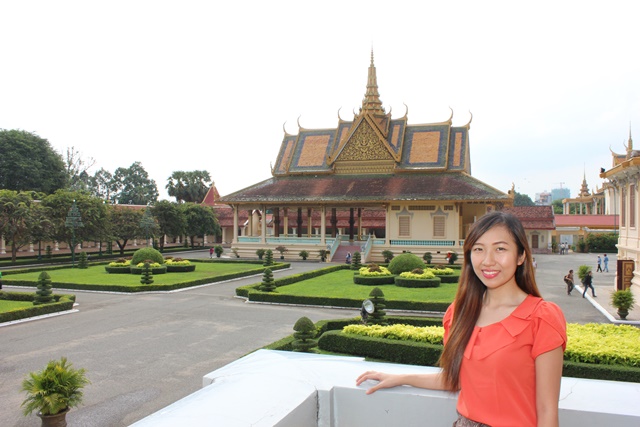
    at the Royal Palace

    Rather, Phnom Penh is a place that holds proofs and records on the torture and deaths viciously done by the Khmer Rouge led by Pol Pot. I was surprised to hear how the Khmer Rouge and its leaders could be so evil to their fellow Cambodians. Our tourist guide narrated about the random deaths and mutilation inflicted on millions of civilians and how they were forced to evacuate the city during their civil war in 1975. More on the story below.

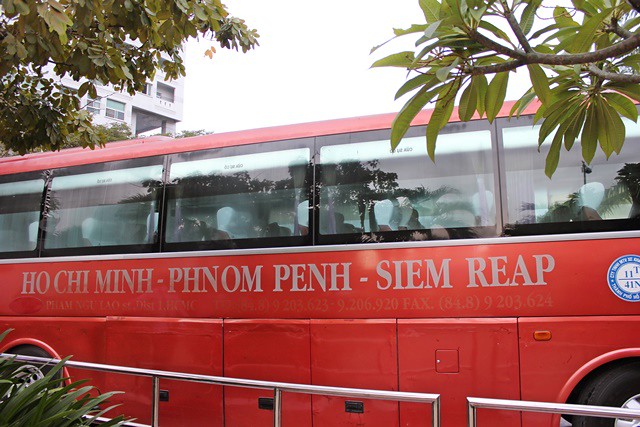
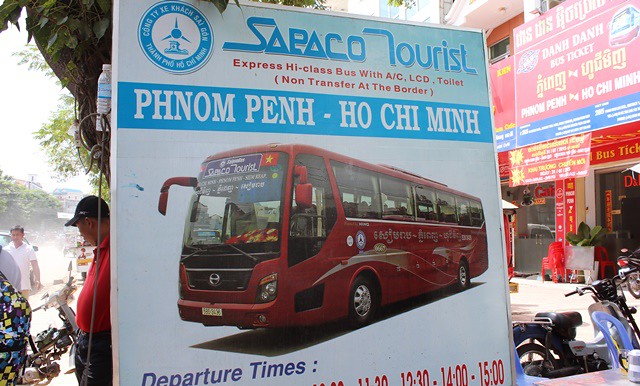
    From Ho Chi Minh, Vietnam, we boarded a direct bus to Phnom Penh, Cambodia and listened to podcasts during the six-hour transit. (Click here to know more about how to go to Cambodia from Vietnam.) Bus fare was only USD 10 but cost was already included in our travel package as arranged by Transpipol Travel and Tours. Upon arrival at Phnom Penh, Rith, our English-speaking tourist guide took us to a Chinese buffet restaurant and immediately drove us to the tour destinations as in the itinerary.

    Travel Guide: Top 7 Tourist Attractions We Visited in Phnom Penh, Cambodia

    1. Killing Fields (Choeung Ek Memorial)

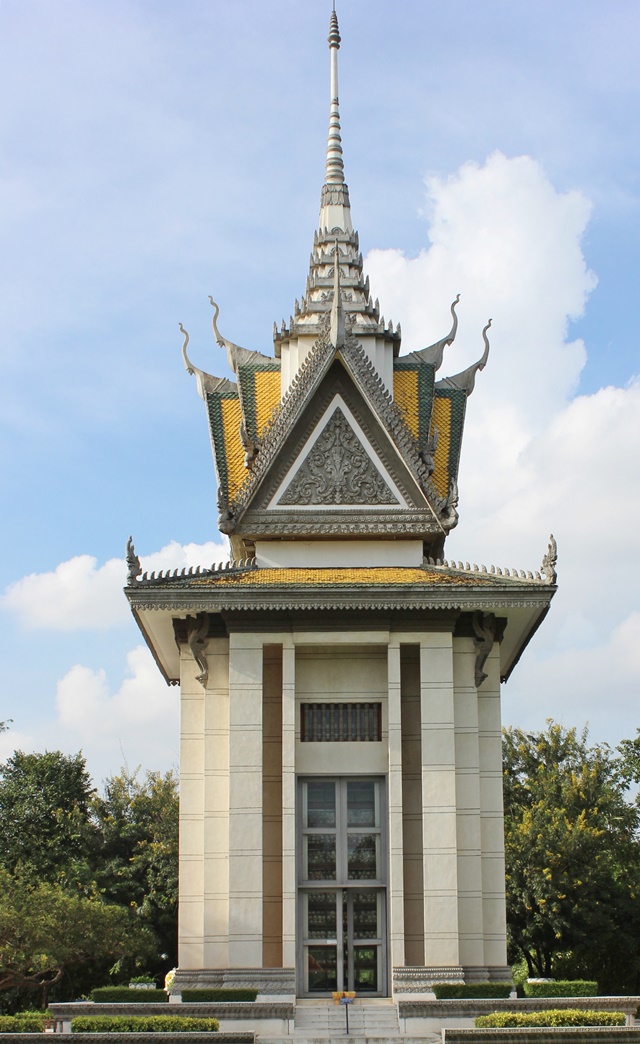
    Our first stop was the Killing Fields (Choeung Ek Memorial). I did not realize that the story Rith was telling us about during the drive from the restaurant would be related to this “execution ground” until we saw the actual site. The reason why it’s called “Killing Fields” is that from its literal name, this area was turned into a mass grave by the Khmer Rouge during their four-year reign of terror in Cambodia (1975 to 1979). Once an orchard and a Chinese graveyard, this memorial can evoke haunting yet powerful feelings to visitors.

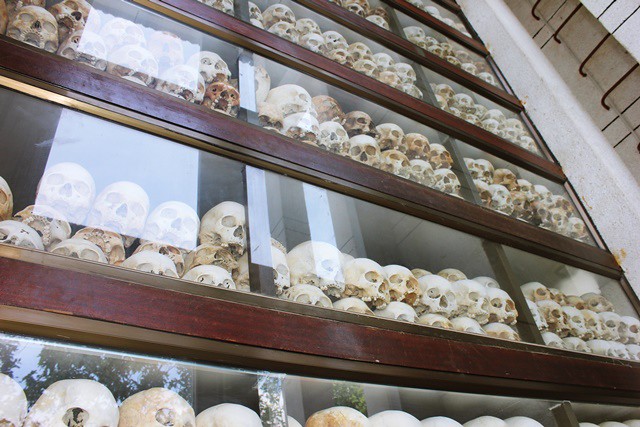
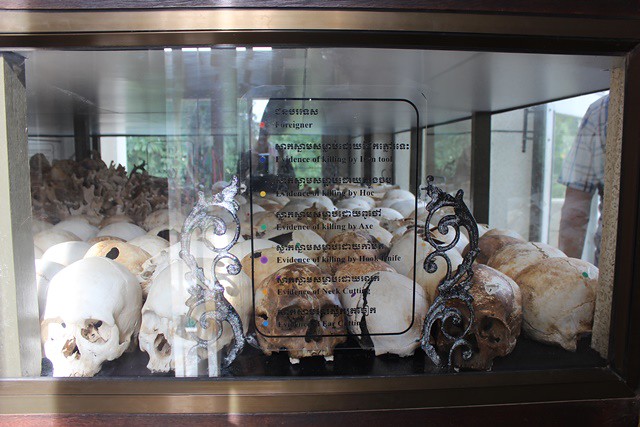
    It was easy to paint a picture of the killings in my head because the skulls, bones, and remnants of the regime’s victims were all still there! We entered the Buddhist stupa and found over eight thousand human skills with color-coded stickers that reveal how the person died (according to the type of tool or weapon used on them). Visitors are required to put shoes off. Giving of flowers is optional as a sign of respect.

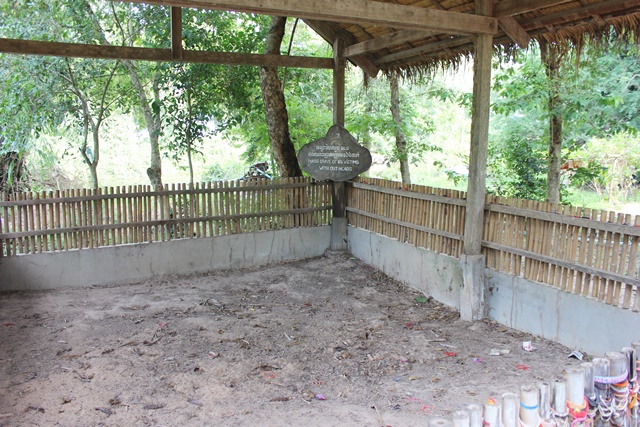
    We then continued to the mass graves which contain thousands of dead bodies discovered at Choeung Ek after the fall of the Khmer Rouge regime. 🙁 This was where brutal executions of more than 17,000 men, women, and children were done. I could not imagine what was going on the Khmer Rouge’s mind at that time. They’re crazy. On the mass graves, lying beneath those sands were bones. We even saw teeth. Eeeep! 🙁

    Operating Hours: 7:30AM – 5:30PM
    Entrance Fee: $6

    2. Tuol Sleng Genocide Museum (S-21 Prison)

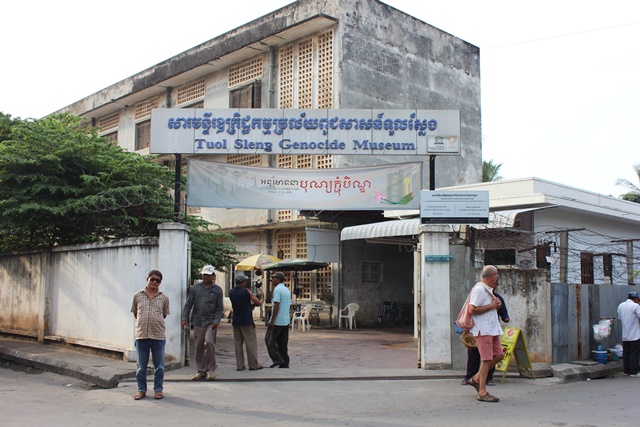
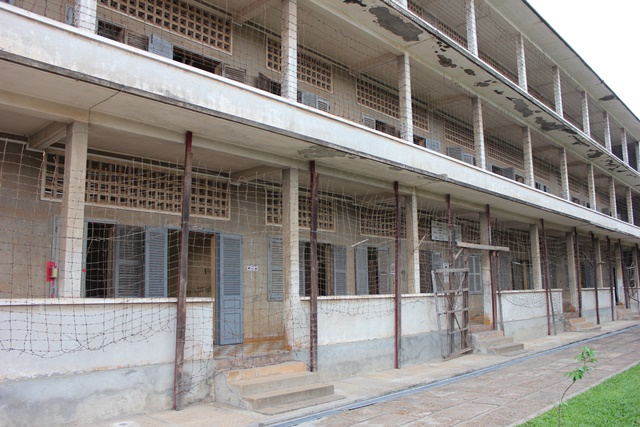
    To continue our “historical tour,” we went to Tuol Sleng Genocide Museum (S-21 Prison) which was a high school converted to a bloody persecution center, prison, and interrogation facility. There’s over a hundred persecution centers scattered in Cambodia, but this is the largest one.

    In the past, everyone regardless of position, rank, and class in the society were forced to live in the provinces and pursue agriculture/farming. The Khmer Rouge detested the rich and the educated since these might be serving as “agents” or “spies” that reach out for help from other countries. Hence, to put everyone in the test, the Khmer Rouge asked skilled workers, teachers, and professionals in the provinces if they want to volunteer to work for the government and move back to the city—only to further pin down the rich and educated and torture them to death.

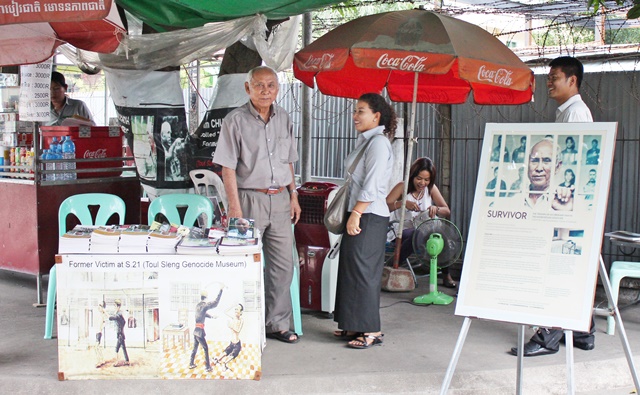
    These people were sent to Tuol Sleng where they were treated as inmates. They were tortured to confess what they know and eventually put to the Killing Fields of Choeung Ek to be executed. From over 17,000 people, only seven survived. One of them was present during our visit, and I was lucky to take a picture of him. Read his testimony published by Phnom Penh Post here.

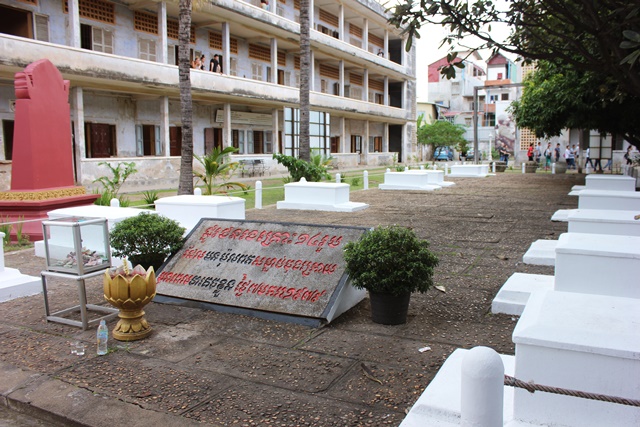
    The Tuol Sleng Genocide Museum today has four buildings which serve as living testaments to the madness of the Khmer Rouge regime. Photos and stories of the victims are displayed in a gallery format. Rooms, cubicles, and walkways all looked scary. Smiling, laughing, and making loud noises are prohibited. It’s really hard to even crack a smile when you’re there.

    Operating hours: 8:00AM – 5:00PM daily, closed for lunch
    Entrance fee: $3

    3. Royal Palace

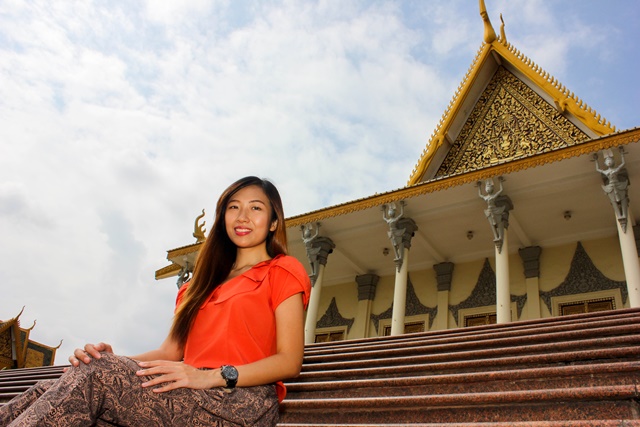
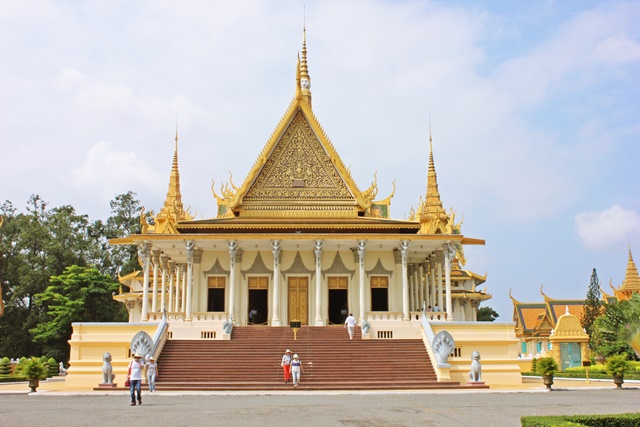
    On our second day in Phnom Penh, we relaxed a bit and toured the less traumatic places in the city. Visiting the Royal Palace was originally in our itinerary for Day 1. However, since it’s only open from 8:00 AM to 5:00 PM, and we arrived at about 4:00 PM, Rith suggested to move it to the next day. It was actually a wise idea, so our pictures would also come out more vivid with better natural outdoor lighting. 🙂

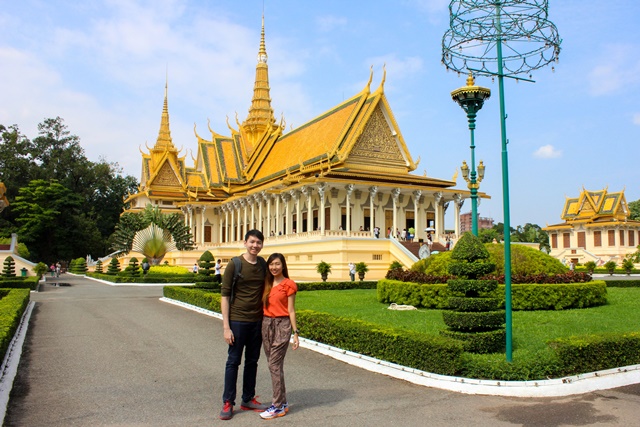
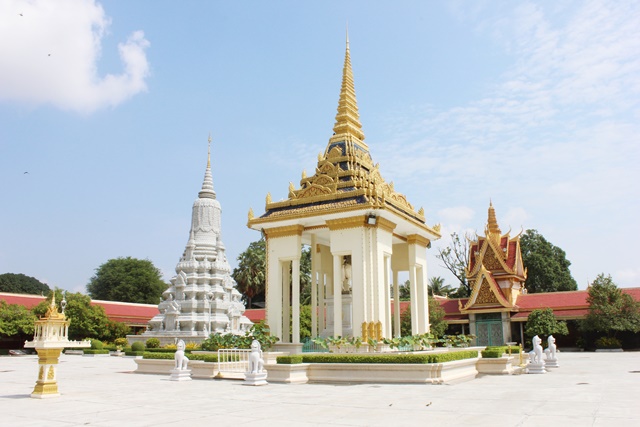
    The Royal Palace of Cambodia is where their king officially resides and holds meetings. Some buildings cannot be entered but we were already satisfied to visit and walk around in the compound. The buildings with beautiful towering golden spires are a great example of classic Khmer architecture in Cambodia. Surrounding the buildings were statues, stupas, and beautifully landscaped gardens.

    Operating hours: 8AM-11AM, 2PM-5PM
    Entrance fee: $3

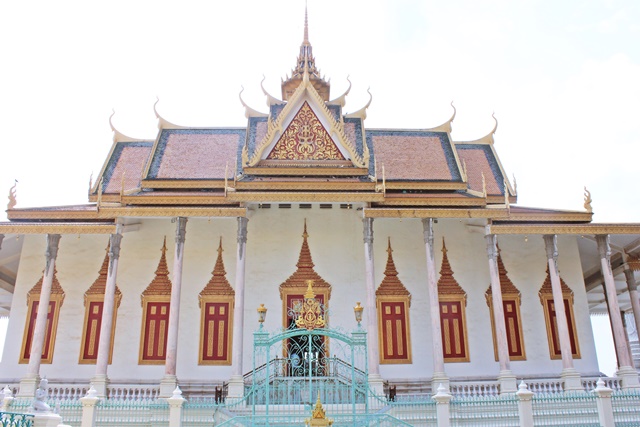
    4. Silver Pagoda

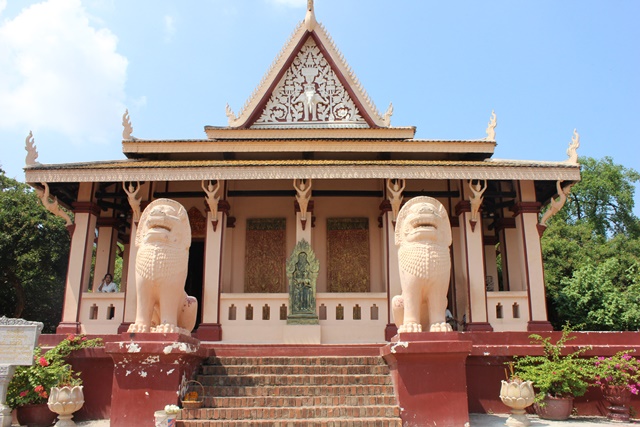
    Within the same vicinity as the Royal Palace, the Silver Pagoda (formally known as Preah Vihear Preah Keo Morakot) houses many national treasures such as gold and jeweled Buddha statues that are gifted to the king from different countries. It’s called “Silver” Pagoda because the entire flooring is made of silver. More than 5300 pieces of 1.125 kilo silver tiles are used to cover the floor, and the silver pieces collectively weigh over six tons.

    However, we could not see the silver tiles clearly because they are covered with carpet to prevent damage as it’s open for public viewing. Another special thing to be amazed about the Silver Pagoda is the life-sized gold Maitreya Buddha decorated with 9584 diamonds.

    5. Wat Phnom

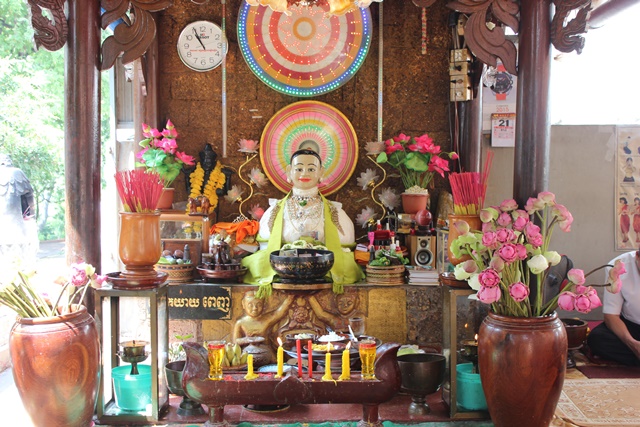
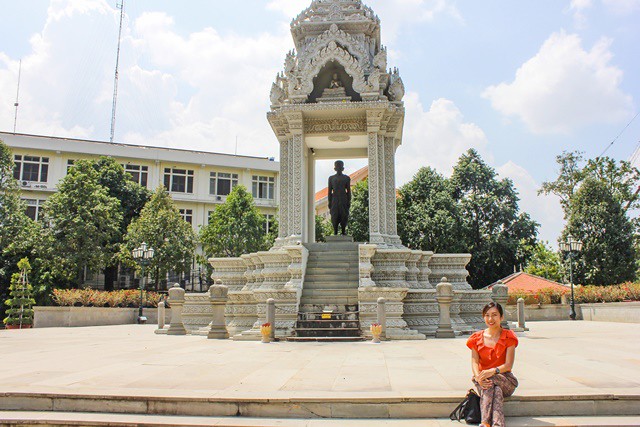
    Wat Phnom is a sacred shrine on top of a hill where many locals find time to pray. It’s interesting to learn that this was essentially where “Phnom Penh” got its name. “Phnom” translates to “hill” in English, and “Penh” was the name of the lady who found four Buddha statues inside the hollow of a large koki tree trunk from the river.

    Image of Penh

    She intended to use the trunk to build a house. Wat Phnom’s location now was a section of her property, and she decided to keep the four Buddha statues in a small shrine for people to worship.

    There’s a fortune teller in the shrine who’s known to tell bad news about romantic relationships of couples asking about their future. I don’t know if it’s true but since Penh was a widower, she might not want couples to be happy and stay together long.

    6. Phsar Thmey (Central Market)

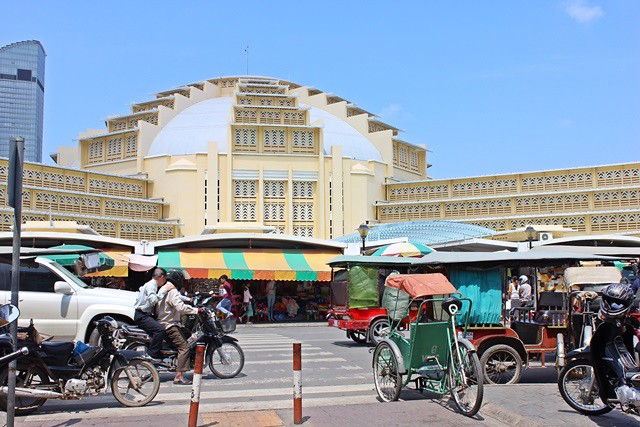
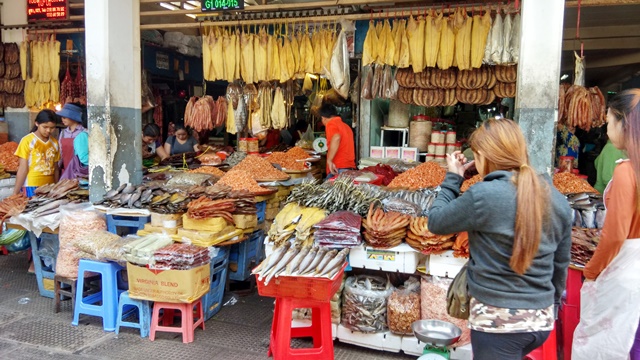
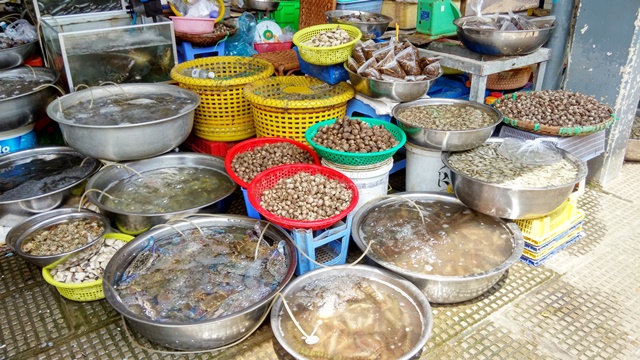
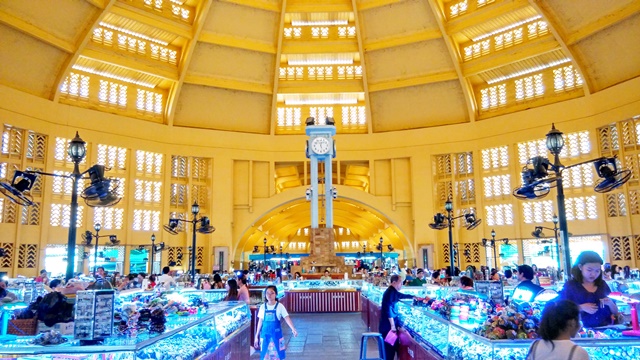
    After lunch at Sorya Restaurant, we walked to Phsar Thmey which means “New Market” in the Khmer language. It’s a market that sells all sorts of things from raw food (meat, fish, vegetables, local delicacies, and snacks), cooked food (hawker-style eateries), to non-food items like clothes, footwear, bags, watches, accessories, etc. and most of them are Class A version or replica of branded/designer goods.

    7. Sorya Shopping Centre

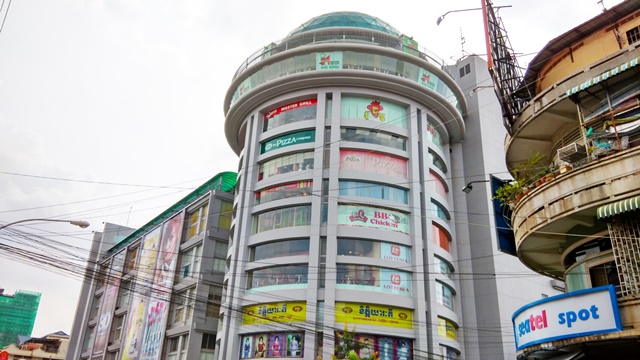
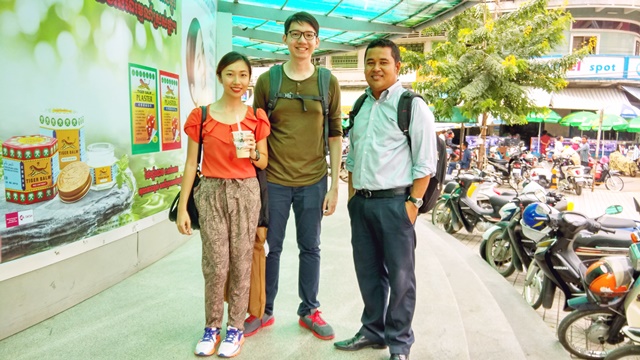
    Our shopping continued at Sorya Shopping Center nearby. It was the largest shopping center in Phnom Penh until the opening of the Aeon Mall in Phnom Penh. and we said goodbye to Rith before the driver drove us back to our hotel.

    Sorya Shopping Centre was the first shopping mall to have ever opened in Phnom Penh in 2003 and the largest shopping center until Aeon Mall opened in the year after. It was a sensational mall among the locals that time as they had never seen escalators before. Prices of goods here are more expensive than those in the Central Market. Filled with tiangges (flea market style), it’s more like Tutuban, 888 Meisic Mall, or 999 Mall in Manila.

    last pic with Rith before we parted ways

    Wrap Up

    I never thought that there could be people as cruel or even more cruel than the Nazis led by Hitler who killed six million Jews. What Pol Pot’s Khmer Rouge did to the Cambodians was among one of the most calamitous legacies of the 21st century. The guy was a monster, having killed 25% of the entire population of Cambodia.

    The worst thing is that many Cambodians have been negatively affected, and many have lost their loved ones to the agonizing war of the “agrarian economy.” This happened only 40 years ago, so reconstruction of the country and stability of the government are not yet fully in place.

    We may still have to wait for a decade or two to see real progress. For now, it was good to have come around Phnom Penh as it gave us a heightened sense of cultural awareness and the opportunity to explore a different side of Cambodia apart from the famous Angkor Wat in Siem Reap. 🙂

    Up next: Review of Rose Emerald Hotel in Phnom Penh and the Top Tourist Attractions We Visited in Siem Reap, Cambodia